How to Choose What to Wear to Pilates for the First Time?

Time:2026-09-14 Author:Isabella
0%

Walking into your first Pilates class can feel surprisingly uncertain. The studio may be quiet, bright, and full of unfamiliar equipment. You may wonder whether leggings, shorts, socks, or a loose T-shirt will work best. This guide explains what to wear to a pilates class for the first time, using practical advice rather than fashion rules.

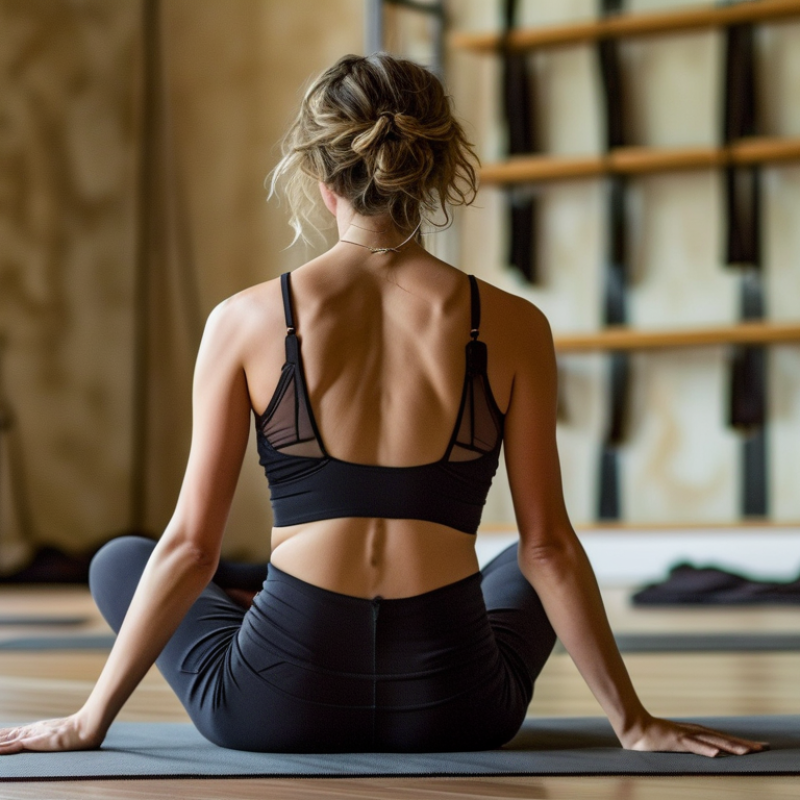
Pilates educator Alycea Ungaro, founder of Real Pilates in New York, offers a useful principle: “Wear clothing that lets you move freely and see your alignment.” A close-fitting, breathable top helps an instructor observe your ribcage, shoulders, and spine. High-waisted leggings can stay secure during rolling exercises. Choose fabric that stretches without becoming transparent. Test the waistband before class. Bend, twist, and reach.

Grip socks are often helpful, especially on polished studio floors. Some studios require them, while others allow bare feet. Check the studio’s policy before arriving. Avoid heavy zippers, thick seams, and oversized shirts. They can press into your back or hide important posture changes. Bring a light layer for the walk home. Studios sometimes feel cool after movement stops.

Comfort matters, but my first suggestion is not perfect for everyone. Some people feel restricted in tight clothing, even when instructors prefer visible lines. Others dislike grip socks or become distracted by waistbands. Notice those reactions. Your best outfit should support breathing, steady movement, and confidence—not imitate someone else’s style. Small adjustments may be necessary after your first session. That is normal.
How to Choose What to Wear to Pilates for the First Time?

Choose 4-Way Stretch Fabrics with 10–15% Elastane for Full Mobility

How to Choose What to Wear to Pilates for the First Time?

Choose 4-Way Stretch Fabrics with 10–15% Elastane for Full Mobility

For a first Pilates class, choose clothing that moves in every direction. Four-way stretch fabric extends across and along the body, supporting lunges, roll-downs, and side-lying exercises. A fabric label showing 10–15% elastane offers a practical starting point. It usually provides flexibility without feeling overly loose. Still, fiber percentages do not guarantee comfort. The fabric’s knit, weight, and construction also matter.

Try the outfit before class. Bend your knees, raise your arms, and twist gently. The waistband should stay flat without pressing your stomach. The fabric should cover your hips during bridge exercises. Check the squat. If you see pulling across the seat or transparent areas, choose a different pair. Close-fitting clothing also helps an instructor observe alignment more clearly, especially around the knees and pelvis.

Avoid very soft fabric that loses its shape quickly. It may feel comfortable at home but become distracting during repeated movements. I once chose leggings with excellent stretch but weak recovery; the knees looked baggy after one session. That mistake changed how I shop. Stretch is important. Recovery matters too. Look for smooth seams, breathable material, and enough coverage for studio lighting. Test a small movement sequence before removing the garment tags.

How to Choose What to Wear to Pilates for the First Time?

Choose a four-way-stretch fabric with approximately 10–15% elastane. Stretch in four directions supports movement during bending, twisting, stretching, and flowing transitions, while elastane helps the garment recover its shape.

Select Moisture-Wicking Blends Tested by ASTM D737 Breathability Standards

How to Choose What to Wear to Pilates for the First Time?

When trying Pilates for the first time, choose clothing that feels quiet against your skin. Your outfit should stretch during a lunge, stay secure in a roll-down, and dry after warm-up. Look for nylon, polyester, or blended fabrics described as moisture-wicking. Softness matters too. A rough waistband can distract you during slow, controlled movements.

For more reliable guidance, check whether the fabric has air-permeability results tested under ASTM D737. ASTM D737 measures how much air passes through fabric under a controlled pressure difference. It does not prove that a garment moves sweat away. That distinction is easy to miss. Use the test as a breathability clue, not a complete performance guarantee. A published result is more useful than vague “breathable” wording, although fabric construction and test conditions can affect performance.

During my first class, I wore a loose cotton shirt and kept adjusting it between exercises. It felt comfortable at home, but not on the reformer. A fitted, moisture-wicking blend would have worked better. Still, no fabric is perfect. Check the garment’s seams, waistband, and stretch before class. If possible, move in it for five minutes. Bend, reach, and lie down. Notice trapped heat, slipping fabric, or noisy material. A breathable blend with ASTM D737 data may improve comfort, but your own movement test remains essential.

How to Choose What to Wear to Pilates for the First Time? - Select Moisture-Wicking Blends Tested by ASTM D737 Breathability Standards

Clothing Area Recommended Material or Construction Why It Works for a First Pilates Class Moisture and Breathability Check Fit Guidance
Leggings A smooth, four-way-stretch knit containing polyester or nylon blended with elastane. Stretch supports bending, leg extensions, and controlled transitions without restricting movement. Look for moisture-wicking or quick-drying fabric information. ASTM D737 measures air permeability, so use the reported air-permeability result to compare fabrics rather than treating it as a moisture-wicking rating. Choose a close, non-compressive fit that stays opaque during squats and hip movements.
Waistband A wide, flat waistband with a soft elastic structure and minimal bulky seams. It helps keep the garment in place during rolling, seated stretches, and core exercises. Prefer a waistband made from the same breathable performance knit or a ventilated elastic panel. The waistband should lie flat without digging into the abdomen or folding when sitting.
Top A lightweight polyester or nylon blend with elastane, preferably using a moisture-managing knit. A light layer can move sweat away from the skin while allowing the shoulders and rib cage to move freely. Check whether the fabric specification identifies moisture-wicking performance and whether an ASTM D737 report states the test pressure and air-permeability result. Select a secure fit around the chest and armholes, but avoid a tight upper body that limits breathing.
Sports Bra A breathable, moderate-support bra with moisture-wicking fabric and a stable underband. Pilates generally involves controlled, low-impact movement, so moderate support is often sufficient while remaining comfortable. Mesh or engineered-knit panels can improve air exchange; ASTM D737 results should be compared for the actual fabric panel being evaluated. The underband should remain level, and straps should stay in place without pressing into the shoulders.
Cover Layer A lightweight zip jacket or long-sleeve layer made from a breathable synthetic blend. It is useful before class or during a cool warm-up and can be removed easily once the body heats up. Avoid dense, non-breathable outerwear if the studio is warm. ASTM D737 can help compare air permeability between candidate fabrics. Choose a layer that does not bunch around the waist or obstruct arm movements.
Socks Breathable moisture-managing socks with silicone or rubberized grip zones on the soles. Grip socks can improve traction on studio floors or equipment while helping reduce slipping. Look for a ventilated upper knit and a smooth toe seam. ASTM D737 is relevant to the textile fabric, not to the grip compound itself. The heel should stay in place, and the grip pattern should not create pressure points.
Seams and Details Flatlock seams, smooth labels, and minimal hard trims near the hips, back, and shoulders. These details reduce rubbing when lying on a mat or using reformer equipment. Perforated or engineered-knit zones may improve local ventilation, but the construction should be checked separately from the main fabric. Try sitting, bending, and lying down before class to identify pressure or irritation points.
ASTM D737 Test Information A textile air-permeability report that identifies the fabric, test area, pressure differential, and reported airflow result. It provides a standardized way to compare how readily air passes through different textile materials. ASTM D737 is an air-permeability test method; it does not by itself measure sweat absorption, drying speed, or overall garment comfort. Use the result as one selection factor alongside stretch, opacity, fit, seam comfort, and verified moisture-management information.

Note: ASTM D737 reports textile air permeability under specified laboratory conditions. Results can vary with fabric structure, test pressure, specimen preparation, and garment construction, so reports should be compared only when their test conditions are equivalent.

Wear High-Rise, Opaque Bottoms for 45–60-Minute Pilates Sessions

How to Choose What to Wear to Pilates for the First Time?

For a 45–60-minute Pilates session, choose high-rise, opaque bottoms that stay secure during movement. A supportive waistband should rest comfortably above your hips without digging into your stomach. Squats, leg circles, and rolling exercises can reveal thin fabric quickly. Test the material under bright light before class. Then bend, stretch, and sit in front of a mirror.

Choose fabric with moderate stretch and reliable recovery. It should move with your legs but not become loose after repeated exercises. A smooth, close-fitting pair also helps an instructor observe your alignment. Avoid bulky pockets, rough seams, and loose drawstrings. These details may press against your skin during floor work. I once wore bottoms with a soft waistband that slowly folded during class. They felt comfortable at first, but comfort alone was not enough.

Tips: Wear a breathable fitted top that does not fall over your face. Keep socks clean and secure, especially on polished studio floors. Bring a light layer for the warm-up. Check your outfit through several movements before leaving home. A small adjustment can prevent constant pulling and distraction. If you are between sizes, try both rather than trusting the label. Bodies change during movement, and clothing does not always behave as expected.

Use Grip Socks for Reformer Pilates and Bare Feet for Mat Classes

How to Choose What to Wear to Pilates for the First Time?

For reformer Pilates, wear grip socks with small rubberized patterns on the soles. They help your feet stay secure on the moving carriage and footbar. They also create a clean barrier between your skin and shared equipment. Choose socks that fit closely without squeezing your toes. Loose fabric can bunch during footwork or leg circles. Check the studio’s policy, because some classes require socks.

For mat Pilates, bare feet usually offer better contact with the floor. Your toes can spread naturally, helping you balance during bridges, roll-downs, and standing exercises. Bare feet also make it easier to notice pressure through your heels and the balls of your feet. However, grip socks may suit you if the floor feels cold or slippery. Comfort still matters.

Wear fitted, breathable clothing that lets an instructor see your alignment. High-waisted leggings and a supportive top often work well. Avoid zippers, thick seams, and very loose shirts, which may catch on equipment or fall over your face. I once wore an oversized top to class and kept adjusting it during breathing exercises. Not ideal. Keep jewelry minimal, tie back long hair, and bring water. Small details can change how confidently you move.

Test Fit with Squats and Roll-Downs; Avoid Loose Hems and Zippers

For a first Pilates class, choose clothing that moves quietly with your body. The World Health Organization recommends 150–300 minutes of moderate activity weekly, so comfort matters during repeated sessions. Start with a close-fitting, breathable top and leggings. They should stretch without becoming transparent. Avoid very loose hems. They can slide over your eyes during a roll-down or catch beneath your back. Zippers, metal pulls, and thick seams may press into your spine on the mat.

Test the outfit before leaving home. Perform five slow squats, then roll down one vertebra at a time. Raise your arms, twist gently, and hold a plank for ten seconds. Watch the waistband in a mirror. Does it gap, twist, or expose skin? Fix it now. I once underestimated a soft, wide shirt; it felt relaxed standing up but covered my face during shoulder work. That was not ideal.

The American College of Sports Medicine’s 2024 Worldwide Survey gathered responses from 1,992 fitness professionals across 80 countries. Its findings emphasize individualized exercise experiences and practical technology choices, reinforcing one useful point: test equipment and clothing before training. Fabric labels can help, but movement reveals more. Choose flat seams, a secure waistband, and pockets that stay empty. A little snug is usually better than distracting loose fabric, although compression should never restrict breathing or circulation.

FAQS

What should I wear to Pilates for the first time?

Choose fitted, stretchy clothing that stays quiet against your skin. It should support lunges, roll-downs, and floor exercises.

Which fabrics work well for Pilates?

Nylon, polyester, and moisture-wicking blends can help manage warmth and dampness. Soft fabric also reduces distractions during slow movements.

What does ASTM D737 testing tell me?

ASTM D737 measures how much air passes through fabric under controlled pressure. It offers a breathability clue, not a complete performance guarantee.

Does breathable fabric always move sweat away?

No. Breathability and moisture management are different properties. Fabric structure, fit, and test conditions can change the result.

What type of bottoms suit a 45–60-minute Pilates session?

Choose high-rise, opaque bottoms with moderate stretch and reliable recovery. The waistband should stay above your hips without digging into your stomach.

How can I check whether bottoms are opaque enough?

Test them under bright light before class. Bend, stretch, and sit near a mirror. Thin fabric can appear quickly during leg circles.

What clothing details can become uncomfortable during floor exercises?

Rough seams, bulky pockets, loose drawstrings, and folding waistbands may press against your skin. Small details matter.

How should I test an outfit before leaving home?

Move in it for five minutes. Bend, reach, lie down, and roll gently. Notice slipping fabric, trapped heat, or noisy material.

Are loose shirts suitable for Pilates?

They may feel comfortable at home but shift during reformer or floor exercises. A fitted top is less likely to fall over your face.

What small accessories should I consider?

Wear clean, secure socks, especially on polished studio floors. Bring a light layer for the warm-up. I still get this wrong sometimes.

Conclusion

Choosing what to wear to a Pilates class for the first time is mainly about comfort, flexibility, and secure coverage. Select clothing made with four-way stretch fabric containing around 10–15% elastane so you can move freely through bends, stretches, and controlled exercises. Moisture-wicking blends can help you stay comfortable during a typical 45–60-minute session, while fabrics tested for breathability under ASTM D737 standards may offer better airflow. High-rise, opaque leggings or shorts provide support and confidence without distracting adjustments.

For reformer Pilates, grip socks can improve stability and help your feet stay connected to the equipment. Bare feet are generally suitable for mat classes, depending on the studio’s guidelines. Before attending, test your outfit with squats and roll-downs to check its range of motion and coverage. Avoid loose hems, bulky layers, and zippers, which may interfere with equipment or become uncomfortable during floor-based movements.

Isabella

Isabella

Isabella is a dedicated marketing professional with a sharp focus on driving brand growth and engagement through strategic content creation. With an extensive background in digital marketing, she combines her passion for storytelling with her keen understanding of industry trends to deliver......