CGE Clothing
Technical Whitepaper: The Evolution of Windbreaker Manufacturing
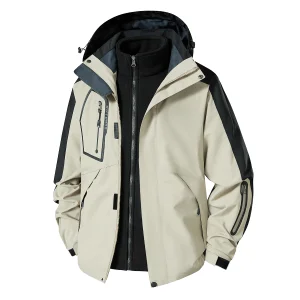
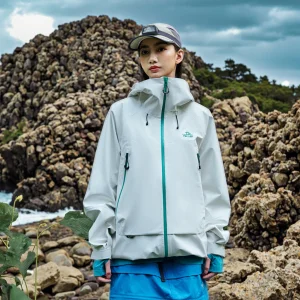
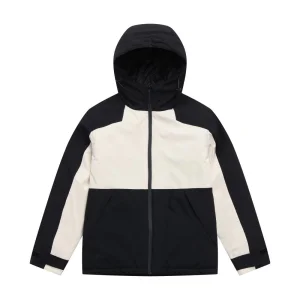
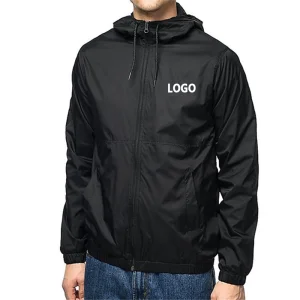
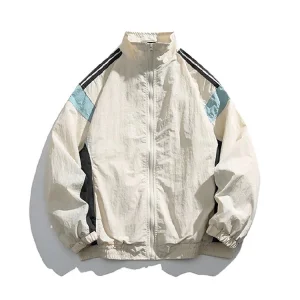
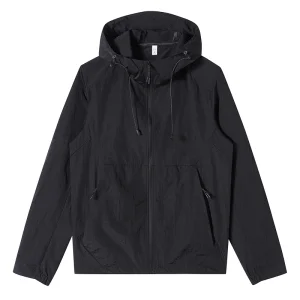
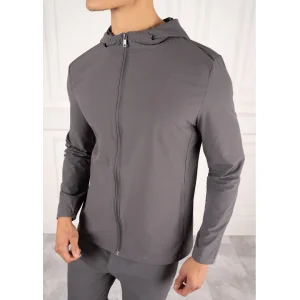
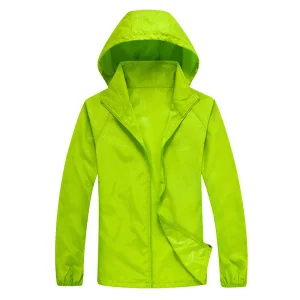
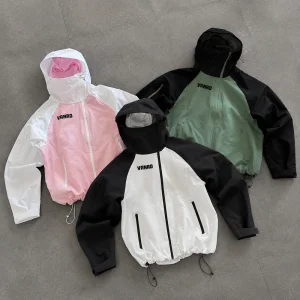
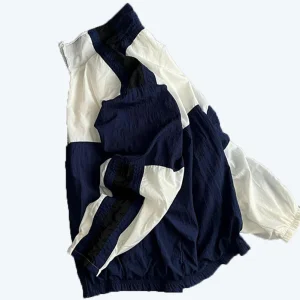
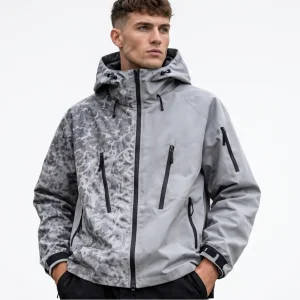
In the global apparel trade, the search terms "Windbreaker Jackets Factories" and "Windbreaker Jacket Factory" are entry points into a deeply technical, capital-intensive manufacturing ecosystem. A windbreaker is no longer merely a shell against the draft; it is a complex intersection of polymer science, ergonomic design, and automated industrial assembly. At Guangdong CGE Clothing Co., Ltd., we treat windbreaker production as an engineering discipline. This whitepaper details the structural requirements, materials, and production steps necessary to manufacture world-class technical outerwear.
1. Understanding Sourcing Requirements and E-E-A-T in Technical Textiles
High-end global brands must audit their chosen Windbreaker Jackets Factories for technical expertise (E-E-A-T: Experience, Expertise, Authoritativeness, and Trustworthiness). The baseline criteria for selecting a production partner must encompass:
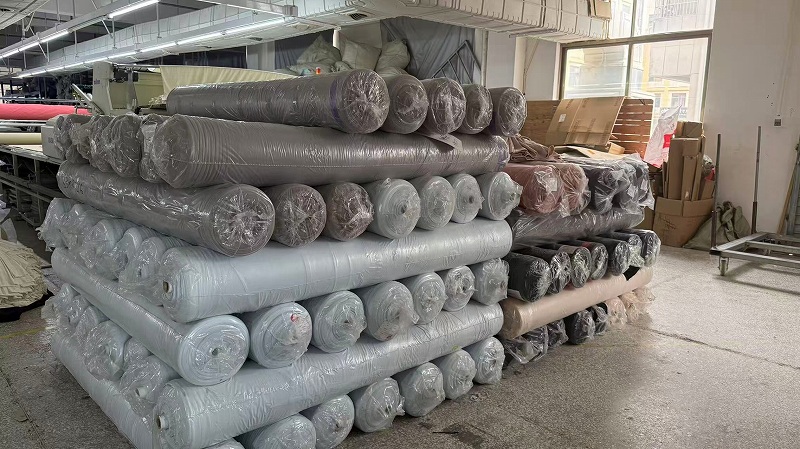
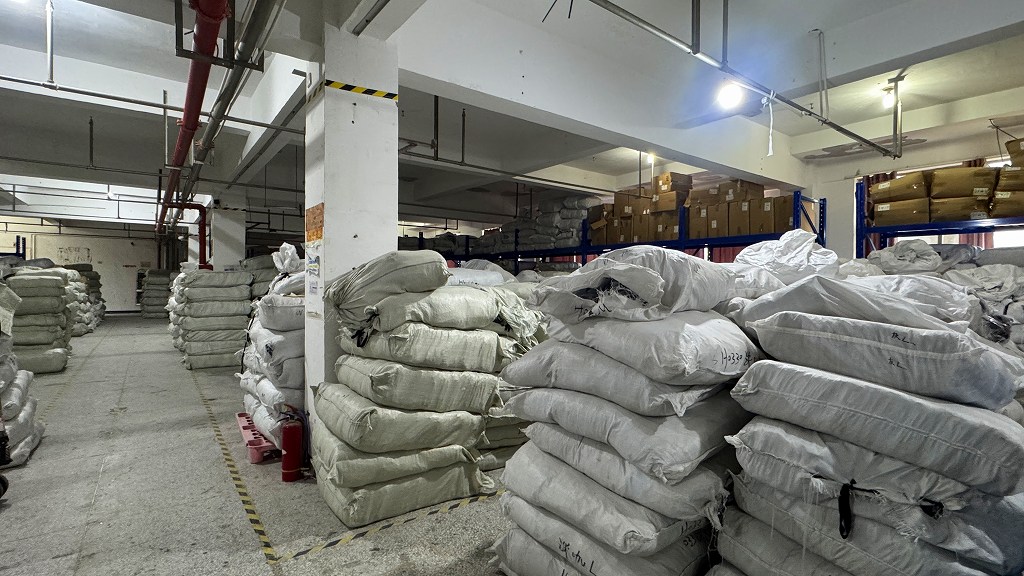
- Raw Material Traceability: Ensuring that custom synthetics (such as nylon taslan, ripstop polyester, and recycled PET) carry legitimate Global Recycled Standard (GRS) or OEKO-TEX® Standard 100 certifications.
- Waterproofness and Breathability Balance: The manufacturing facility must possess specialized equipment to measure hydrostatic head ratings (ranging from basic 3,000mm to high-performance 10,000mm water resistance) alongside moisture vapor permeability.
- Seam Seal Integrity: Seamless or taped seams are critical points of failure. High-caliber factories utilize specialized hot-air seam taping machines to seal the needle holes created during sewing.
2. Fabric Technologies: Recycled Polymers & Advanced Membranes
Modern consumers and corporate buyers demand high sustainability alongside exceptional weather protection. CGE Clothing develops proprietary composites that balance eco-friendliness with extreme performance. Nylon fabrics offer superior tensile strength and abrasion resistance, making them ideal for rugged mountaineering windbreakers. On the other hand, lightweight, tightly-woven micro-polyester fabrics are highly packable, perfect for run-and-light urban jackets.
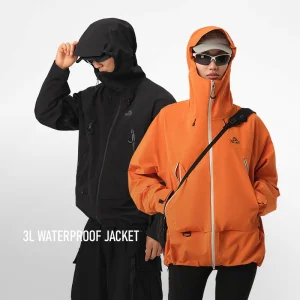
For true foul-weather windbreakers, we implement 3-layer (3L) laminate solutions. This technology binds an outer shell fabric directly to an inner polyurethane (PU) or polytetrafluoroethylene (PTFE) membrane, protected by an ultralight mesh backing. This three-tier configuration allows sweat molecules to escape while blocking rain droplets from penetrating the barrier.
3. Technical Roadmap: Automation & Lean Production Processes
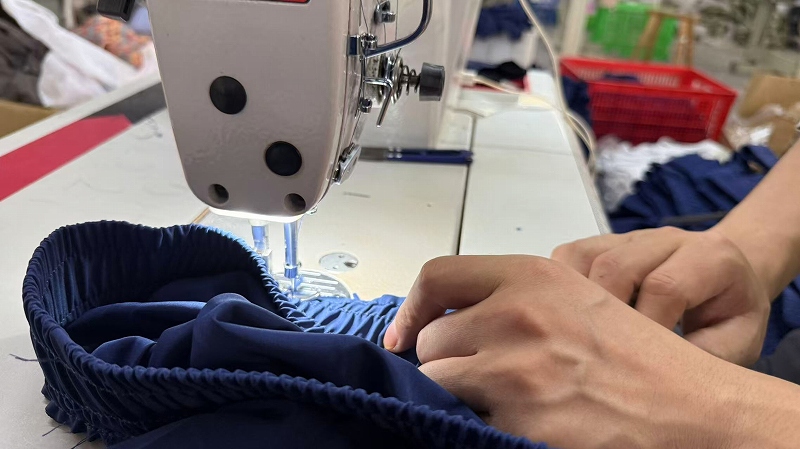
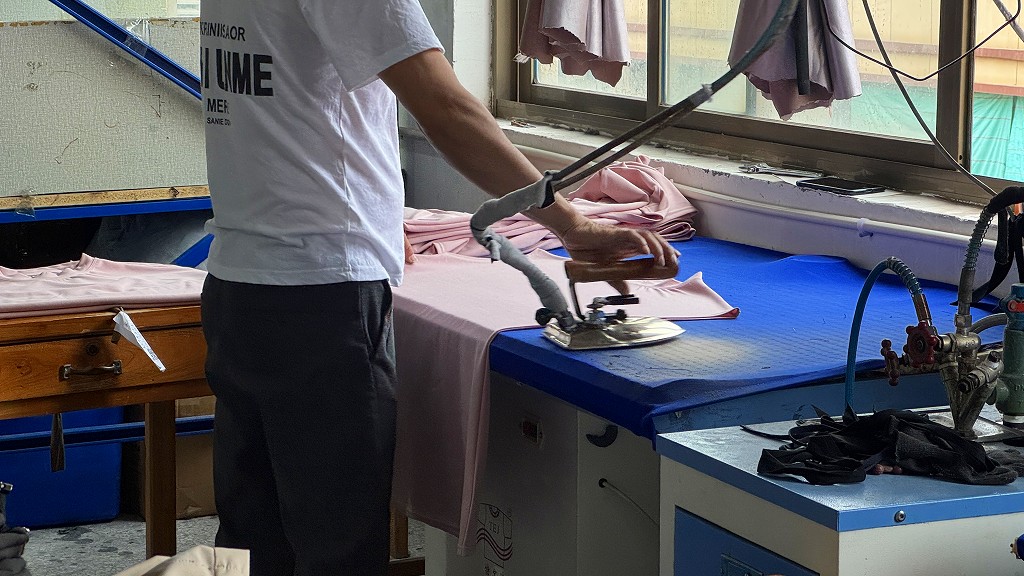
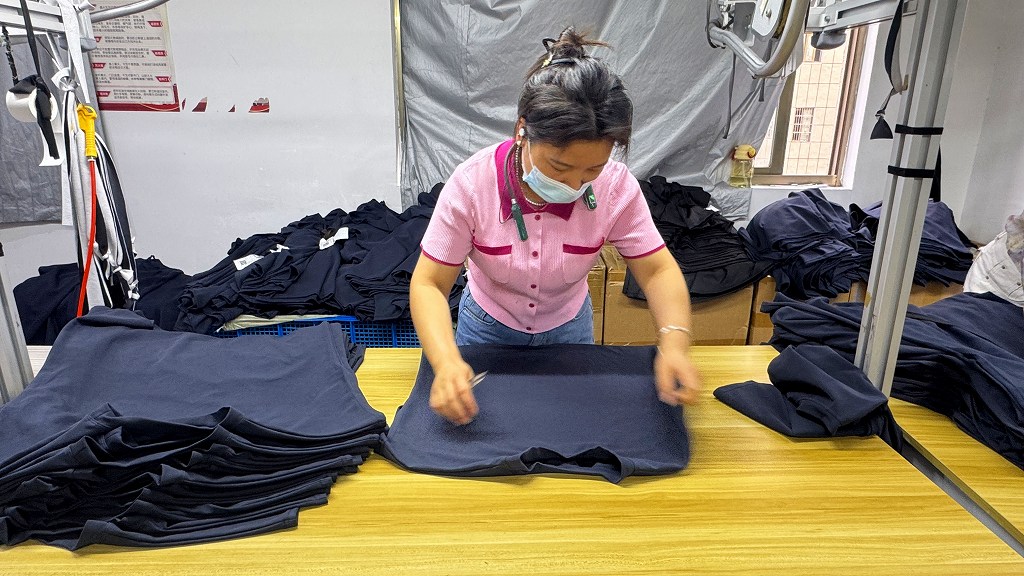
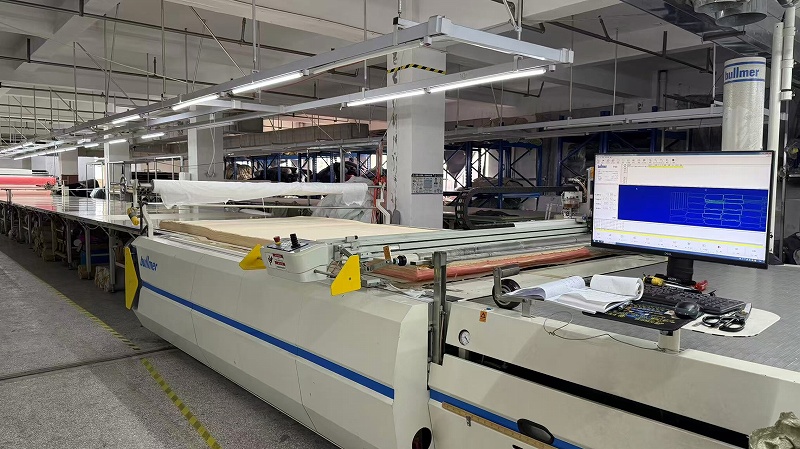
The manufacturing floor of a contemporary Windbreaker Jacket Factory utilizes advanced automation to maintain consistent quality and control costs. Below is a detailed view of our technical manufacturing phases:
- Digital CAD Pattern Optimization: Custom designs are converted into highly optimized marker layouts to minimize raw fabric wastage.
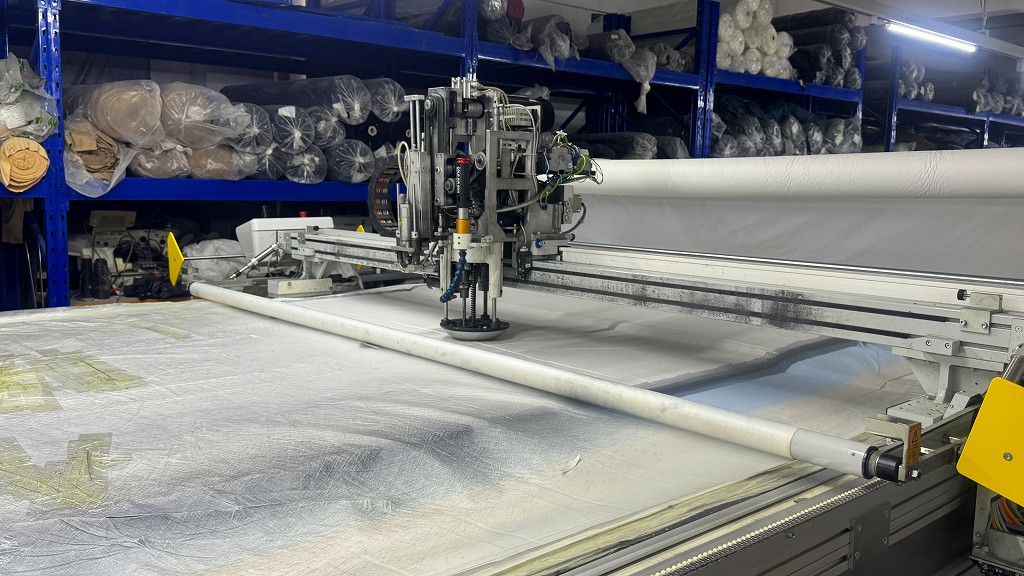
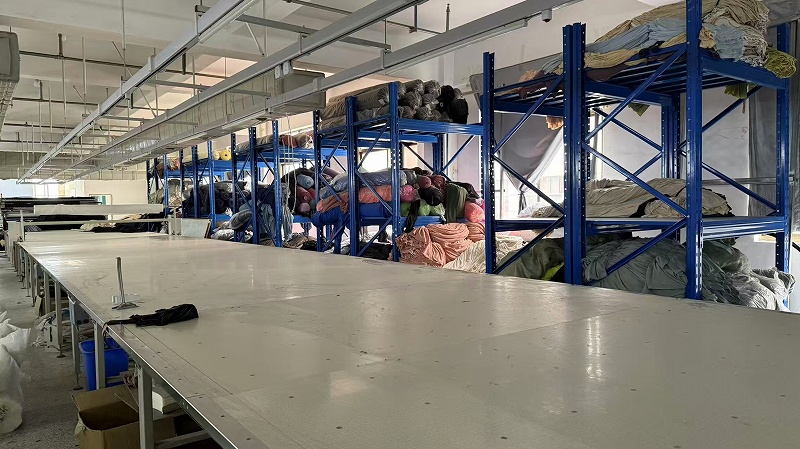
- Automated Fabric Spreading and Laser Cutting: Automated machinery spreads static-free fabrics uniformly across the cutting table. CNC laser cutters then slice the components, cauterizing the fabric edges to prevent fraying.
- Pre-assembly Inspection: Panel pieces are sorted, checked for weave defects under UV light panels, and categorized by batch.
- Strategic Seam Sealing: Programmable sealing systems apply custom-formulated waterproof tape to high-stress shoulder and hood seams.
4. Quality Assurance and Global Export Compliance
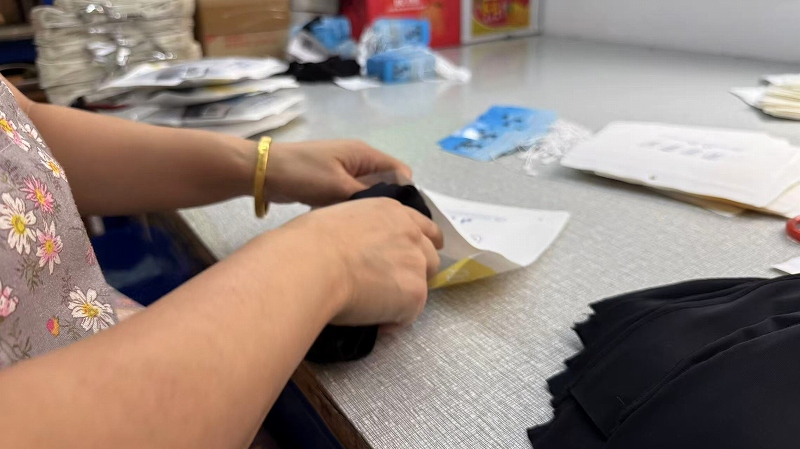
To operate effectively in the international commercial space, Guangdong CGE Clothing maintains compliance benchmarks across all global regions. We ensure compliance with REACH regulations for chemicals in the European Union, CPSIA rules for chemical safety in child apparel in North America, and rigorous custom declarations worldwide. Every single unit leaving our facility undergoes a dual stage QA/QC check (sewing integrity inspection, dry-room waterproof test, and metal-detection clearance).