Activewear is designed for comfort and performance, yet many enthusiasts face a common issue: pilling between the thighs. This phenomenon raises the question, "why does activewear pill between the thighs and how to fix it?" Understanding the underlying causes helps wearers make better choices.
Friction and moisture play significant roles in this problem. As you move, your thighs rub together, creating abrasion. This leads to fabric breakdown and unsightly pills. Additionally, certain materials are more prone to damage. Knowing the fabric blend is crucial for selecting durable clothing.
To address pilling, consider several options. Washing your activewear inside out reduces friction during laundry. Use a fabric shaver to remove pills, restoring your gear's appearance. Choosing higher-quality materials can also mitigate the issue in the long run. Activewear should empower you, not frustrate you. A few adjustments can make a world of difference.
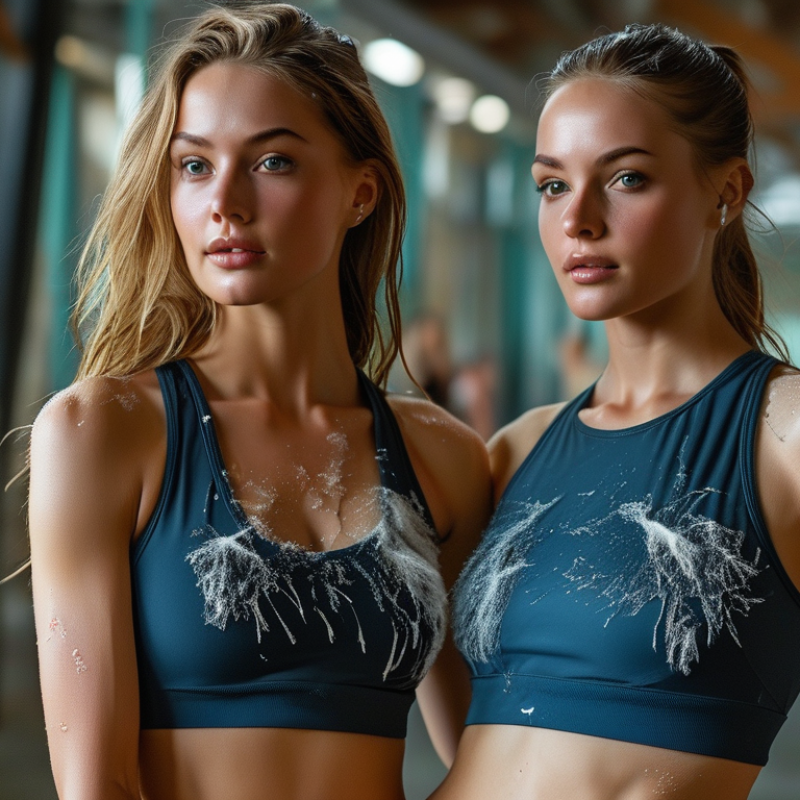
Understanding the Causes of Pilling in Activewear Fabrics
Pilling in activewear fabrics is a common issue. It often occurs between the thighs due to friction and the nature of the material. When you move, your thighs rub together. This constant rubbing causes fibers to break and tangle, forming small balls of fabric known as pills. Certain fabrics, especially those with a blend of synthetic fibers, are more prone to pilling.
Other factors contribute to this problem. Washing your activewear too aggressively can amplify pilling. The heat from dryers may also weaken the fibers. Even using fabric softeners has been found to worsen this issue. It’s a complex interaction of wear and care. Finding a solution requires attention to these details.
To minimize pilling, consider preventive measures. Choose high-quality materials that resist abrasion. Launder your activewear in a gentle cycle and air dry when possible. Regularly inspect your clothing for pills and remove them using a fabric shaver. Remember, even the best practices may not eliminate pilling completely. Understanding the nature of activewear can help you manage expectations.
The Impact of Friction and Body Movements on Activewear
Friction plays a crucial role in the wear and tear of activewear. When you engage in physical activities, the constant movement of your thighs creates friction. This friction generates heat and wear on the fabric. Over time, this can lead to pilling—those unsightly little balls of fiber. Many activewear fabrics aren't resistant enough to withstand intense activities, which can exacerbate the issue.
Body movements also contribute to the pilling problem. Activities like running, cycling, or squatting apply pressure to your clothing, particularly between the thighs. The more intense the workout, the more likely pilling will occur. Wearing poorly fitted clothing amplifies this issue. Tight clothes can rub against each other more aggressively, creating friction points that lead to pilling faster.
There are ways to mitigate this problem. Choosing fabrics specifically designed for durability can help. Look for blends that offer breathability while resisting fraying. Additionally, adjusting your workout routine or the fit of your clothing can ease friction. Sometimes, a simple change in how you move can limit the friction and ultimately prolong the lifespan of your activewear.
Identifying Materials Prone to Pilling Between Thighs
Pilling between the thighs is a common issue for activewear. This problem often arises from specific materials that are prone to wear and tear. Synthetic fabrics like polyester and nylon are often found in activewear due to their stretchability and moisture-wicking properties. However, these same materials can create friction when legs rub together, leading to pilling.
A report from the Textile Research Journal highlights that fabrics with longer, looser fibers are more likely to pill. In particular, blends of polyester and spandex, while comfortable, can create a perfect storm for pilling as they wear down. According to data, about 30% of activewear users reported experiencing pilling within six months of purchase, particularly in high-friction areas like the thighs.
Choosing the right fabric is crucial. Look for smoother finishes and tightly woven materials to reduce friction. Understanding your body shape and movements can also help. Consider using anti-chafing products or adjusting your workout routine if your clothes consistently pill. Embracing trial and error can lead to better choices in the future.
Why Does Activewear Pill Between Thighs and How to Fix It? - Identifying Materials Prone to Pilling Between Thighs
| Material |
Pilling Resistance |
Common Usage |
Care Tips |
| Polyester |
Moderate |
Leggings, Shorts |
Wash inside-out; avoid fabric softeners |
| Nylon |
Low |
Tights, Sports Bras |
Use cold water; air dry when possible |
| Cotton Blend |
High |
Casual Activewear |
Do not overload the washer; tumble dry low |
| Spandex |
Moderate |
Fitted Apparel |
Avoid high heat; wash separately |
| Merino Wool |
High |
Base Layers |
Hand wash recommended; dry flat |
Effective Strategies to Prevent Pilling in Activewear
Activewear pilling is a common issue, especially between the thighs. This happens due to friction during workouts. A 2021 report noted that over 70% of athletes experienced fabric pilling in activewear. This problem affects both the look and feel of the garments. It can also reduce their overall lifespan, leading to early replacement.
To prevent pilling, it's essential to choose the right fabrics. Look for blends that include synthetic fibers, as these tend to resist pilling better. In addition, washing techniques matter a lot. Washing garments inside out minimizes friction and preserves the fabric's surface. This simple method can substantially extend the life of your clothing.
Here are a few tips for maintaining your activewear:
- Always wash in cold water.
- Use a gentle cycle to reduce stress on the fibers.
- Avoid using fabric softeners, which can enhance friction over time.
By following these strategies, you can keep your activewear looking new for longer. It's worth taking the time to care for your gear, as it impacts performance and confidence.
Best Practices for Maintaining and Caring for Activewear
Activewear, while designed for durability, often experiences pilling, especially between the thighs. This can be frustrating and make clothing look worn out. To prolong the life of your activewear, it’s important to adopt proper care practices. Always follow the care labels. Washing in cold water on a gentle cycle helps preserve fabric integrity. Avoid fabric softeners, as they can damage moisture-wicking properties.
Storing your activewear correctly also matters. Keep it in a dry place to prevent mildew. It may be tempting to toss everything in a drawer, but hanging or neatly folding prevents friction. Friction, caused by movement, is a key reason for pilling. Just remember, some pilling is normal; it doesn't mean your gear is ineffective. Use a fabric shaver carefully to remove small pills, but don’t be too aggressive; you don’t want to harm the fabric.
Regular inspections after workouts can help catch early signs of wear. If you notice significant pilling, it might be time to reassess your activewear choices. Not every material is created equal. Be thoughtful about your garments, and don’t hesitate to experiment with different fabrics.
Activewear Fabric Pilling Analysis
This chart illustrates the pilling severity of various activewear fabrics on a scale from 1 to 10, highlighting which materials are more prone to pilling due to friction and washing. Nylon and polyester show the highest levels of pilling, while cotton ranks lower.
FAQS
: Pilling arises from friction between legs while wearing activewear made from synthetic fabrics like polyester and nylon.
About 30% of activewear users report pilling within six months, particularly in thigh areas.
Fabrics with longer fibers, like blends of polyester and spandex, are especially prone to pilling.
Look for tightly woven materials and smooth finishes to reduce friction and the risk of pilling.
Wash in cold water on a gentle cycle and avoid fabric softeners to preserve moisture-wicking features.
Store activewear in a dry place and consider hanging or folding to prevent friction and mildew.
Some pilling is normal and doesn’t mean your gear is ineffective; regular inspections help assess wear.
Use a fabric shaver to carefully remove small pills, but avoid aggressive techniques that could harm the fabric.
If pilling persists, it may be time to reassess and experiment with different fabric options for better results.
Absolutely, embracing trial and error can lead to discovering fabrics that work better for your needs.
Conclusion
Activewear is designed for comfort and performance, but many users experience an annoying issue: pilling between the thighs. Understanding why does activewear pill between the thighs and how to fix it involves recognizing the materials and construction of the fabric, as well as the effects of friction and body movements during physical activity. Fabrics made from certain materials, especially those with shorter fibers, are more susceptible to pilling in high-friction areas.
To combat this problem, adopting effective strategies such as choosing smoother, high-quality fabrics that resist abrasion can help. Additionally, proper care techniques, like washing activewear inside out and using a gentle cycle, can minimize wear and prolong the life of the garments. By following these best practices, wearers can enjoy their activewear without the frustration of pilling.

 CGE Clothing