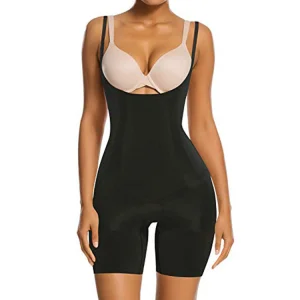
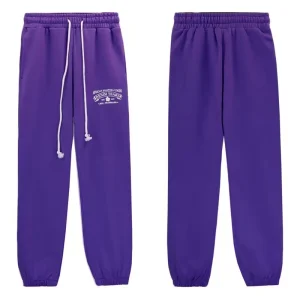
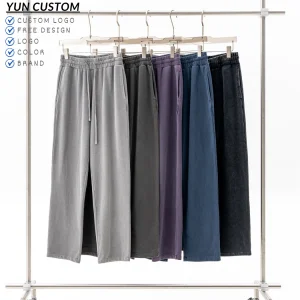
Explore our highly-customized sports apparel and functional clothing options built to elevate brand visibility and athlete productivity.
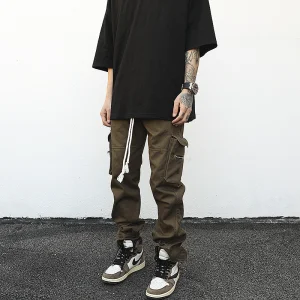
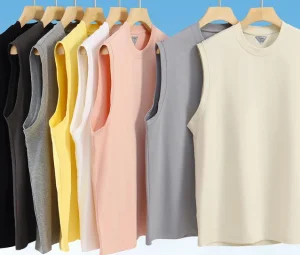
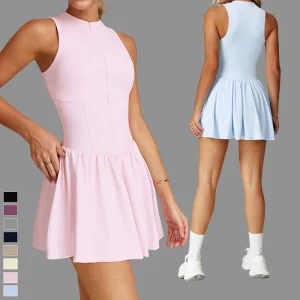
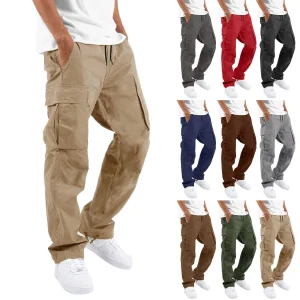

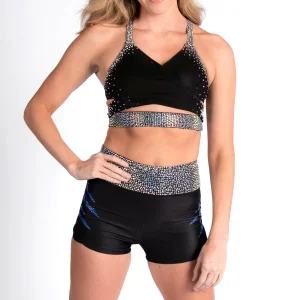
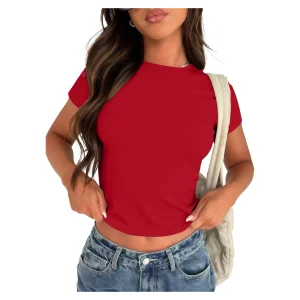
Guangdong CGE Clothing Co., Ltd. is a leading sportswear, functional protective wear, and technical apparel manufacturer, globally recognized for its full-scale OEM, ODM, and private label development models. Powered by advanced textile machinery, rigorous compliance programs, and a dedicated team of pattern engineers, we convert creative designs into performance garments that meet the strictest international compliance baselines.
Our core capabilities extend beyond sports gear to address the complex requirements of high-performance utility wear, tactical outerwear, and weather-proof garments. By utilizing premium raw materials and implementing strict processing standards, we guarantee comfort, durability, and security across all product lines. From fabric selection and digital prototyping to automated sewing and complex quality control (QC), we provide B2B buyers with a seamless supply chain experience.
Modern enterprise apparel sourcing demands agility and certification. At CGE Clothing, we bridge the gap between design and production efficiency, providing brands with the technical foundations required to compete in Europe, North America, and beyond.
Understanding the essential regulatory baselines and standard protocols required for marketing utility jackets and protective workwear within the European Economic Area.
CE marking on a utility jacket indicates compliance with the Personal Protective Equipment (PPE) Directive. This classification ensures that protective jackets safeguard users against environmental hazards, extreme cold, mechanical stress, or low visibility. Depending on the target environment, utility jackets are classified under Category I (minimal risks) or Category II (intermediate risks, e.g., thermal, mechanical, high-vis).
Utility jackets designed for outdoor work environments must satisfy EN 343 standards, measuring fabric resistance to water penetration (hydrostatic pressure) and water vapor resistance (breathability). Premium factories implement multi-layer TPU laminates and sealed seams to achieve Class 3 or Class 4 ratings, ensuring utility personnel stay dry and warm under harsh conditions.
For industrial workwear utility jackets, high visibility is essential. The EN ISO 20471 standard specifies requirements for color and retroreflection, as well as the placement of reflective strips. Achieving this standard requires using fluorescent background materials combined with premium reflective piping that maintains its reflective properties after multiple wash cycles.
| CE Certification Metric | Applicable Standard | Key Parameters Measured | Guangdong CGE Compliance Level |
|---|---|---|---|
| Protective Outerwear Requirements | EN ISO 13688 | Ergonomics, sizing, harmlessness, compatibility, and aging properties | Fully Compliant (Verified Lab Reports) |
| Waterproof Performance | EN 343 | Water penetration resistance (Wp) & Water vapor resistance (Ret) | Class 4:4 (Highest Rating Option) |
| High Visibility Protection | EN ISO 20471 | Fluorescent base area (m²) & retroreflective material area (m²) | Class 1, 2, or 3 depending on configuration |
| Thermal Insulation (Cool Environments) | EN 14058 | Thermal resistance, air permeability, water penetration resistance | Thermal Class 1-3 customization |
B2B procurement buyers face increasing regulatory pressure, demand for sustainability, and delivery lead time challenges. Here is how CGE Clothing provides macro solutions.
For mid-to-large retail brands and industrial procurement managers, tracking raw materials is a critical requirement. At Guangdong CGE Clothing, we provide chemical analysis and material certifications (like GRS for recycled polyester, OEKO-TEX for skin contact safety, and BSCI audit trail updates). Every batch of utility jackets undergoes strict testing, minimizing return rates and potential recall liabilities in overseas markets.
Balancing functional specs (like YKK water-repellent zippers, reinforced Cordura elbow panels, and complex pocket configurations) with target retail price margins is a persistent challenge. Our engineering team conducts DFM (Design for Manufacturing) reviews of your tech packs, helping optimize panel layouts, reduce fabric scrap, and choose cost-effective technical components without compromising CE compliance.
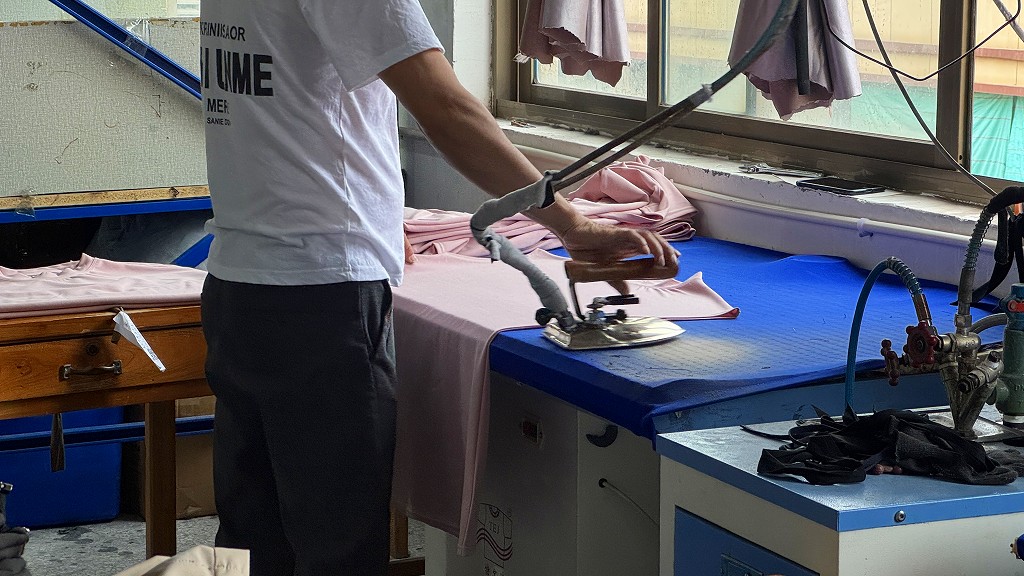
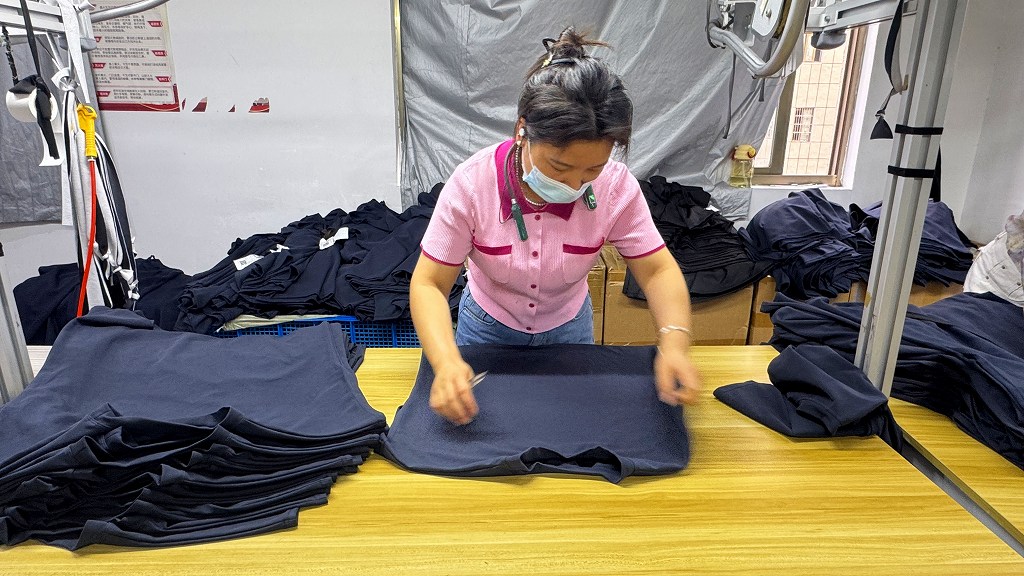
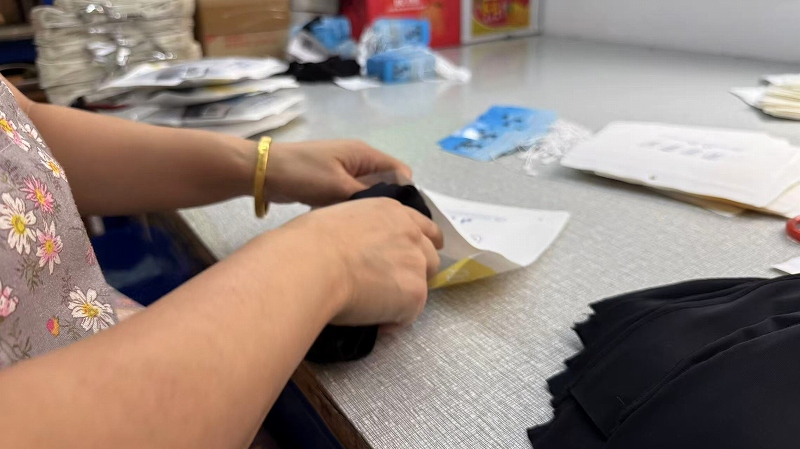
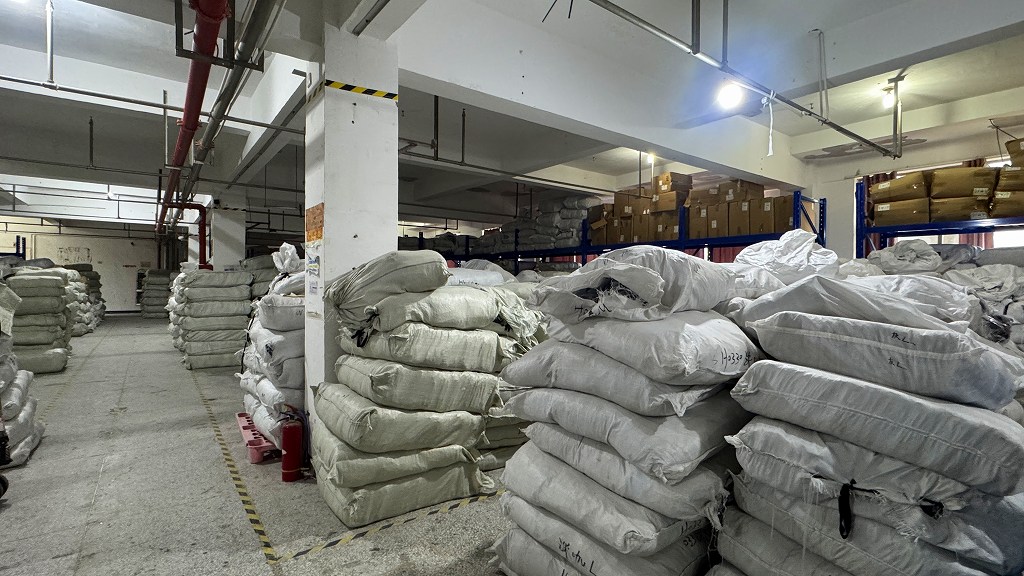
Our production facilities in Guangdong integrate automation, skilled craftsmanship, and strict process controls to maintain quality standard consistency across high-volume production runs.
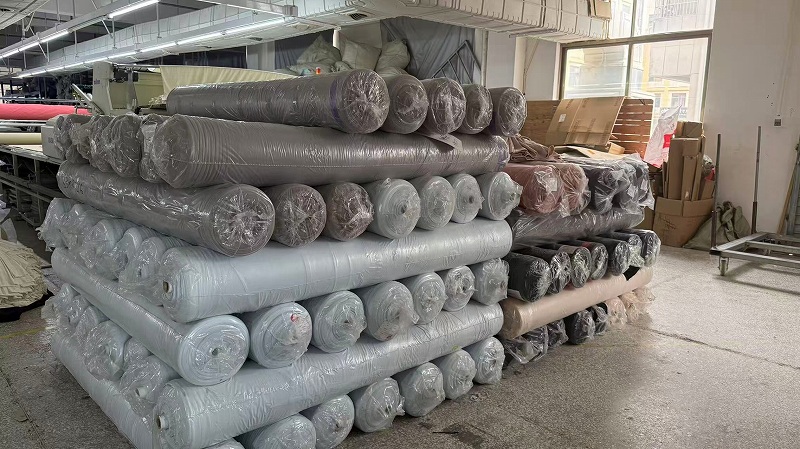
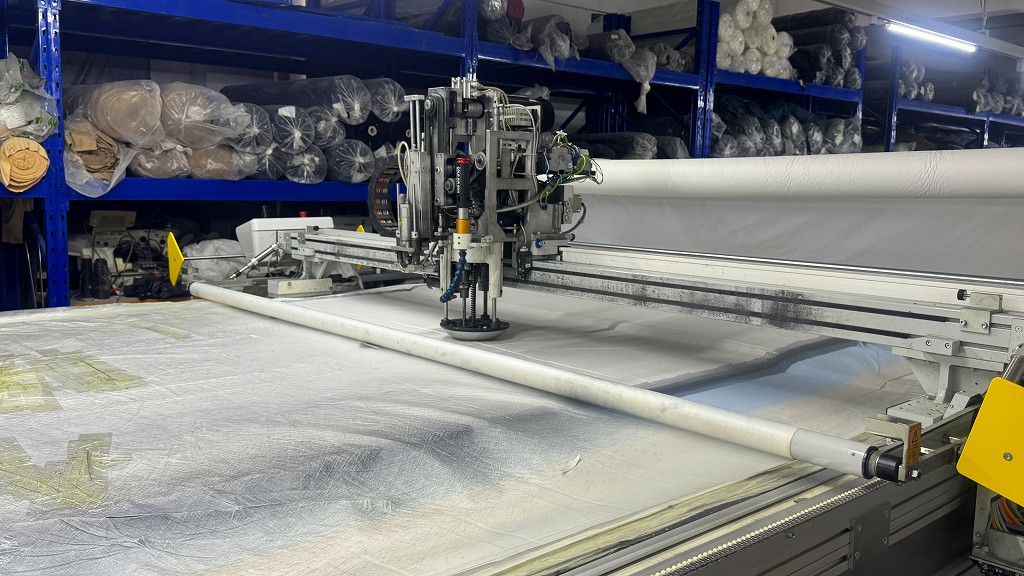
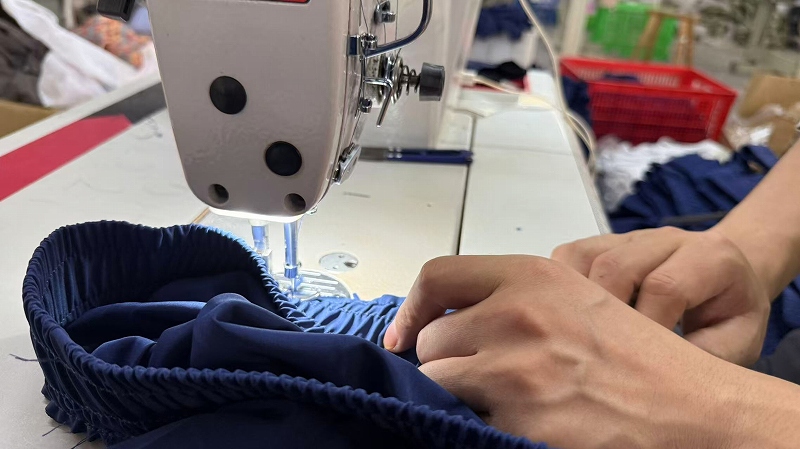
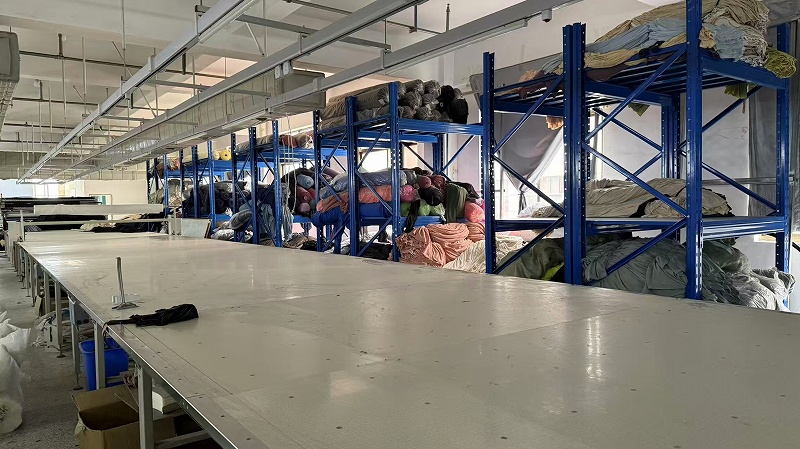
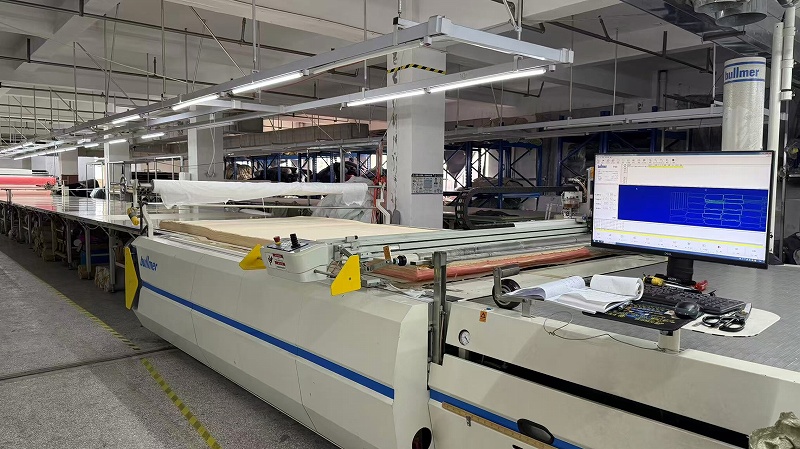
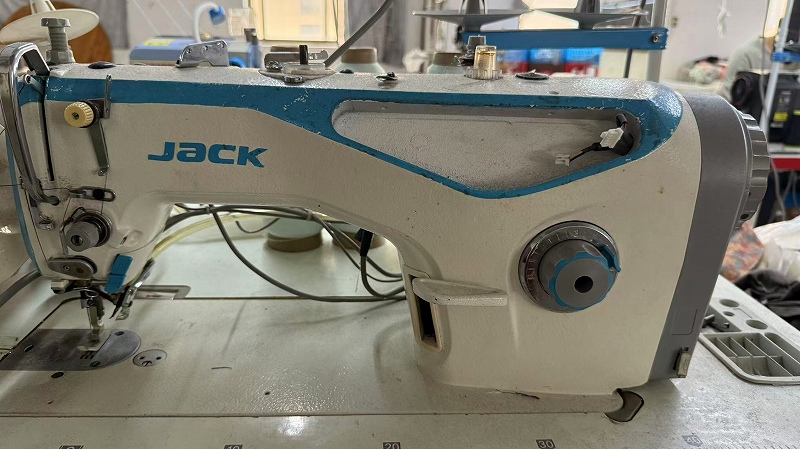
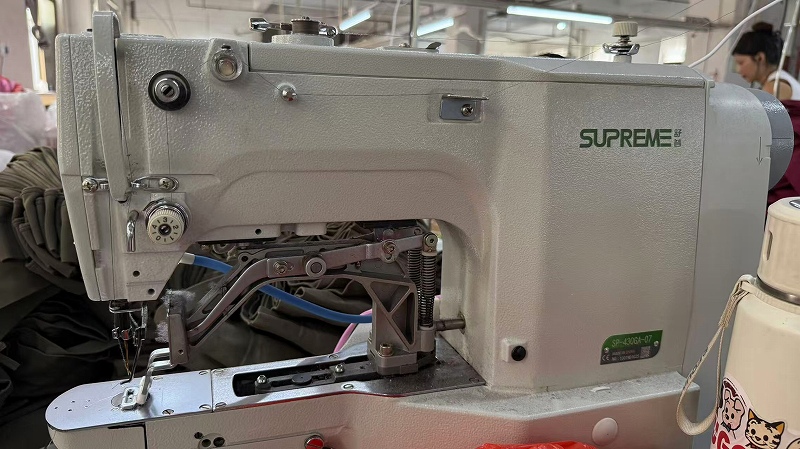
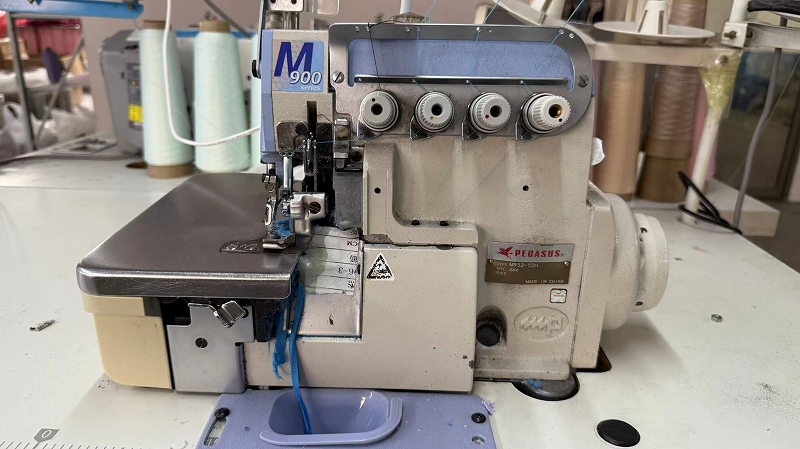
The utility jacket segment is transforming from simple workwear into advanced protective gear. We are actively developing next-generation manufacturing techniques to integrate technology and sustainability directly into our production lines:
Creating functional utility jackets using 100% single-polymer constructions (e.g., pure polyester faces, membranes, and trims) to support simplified end-of-life recycling programs.
Integrating flexible conductive pathways, integrated heating pads, and biometric tracking sensors directly into outer layers without compromising washability or CE safety ratings.
Moving past standard heat-sealed polyurethane tapes toward ultrasonic fabric bonding, which reduces bulk, improves flexibility, and offers superior hydrostatic resistance.
We verify performance through rigorous in-house physical testing. This ensures your apparel meets high quality and durability standards before final delivery.
Expert answers addressing the critical operational and technical questions asked by professional B2B apparel sourcing agents.
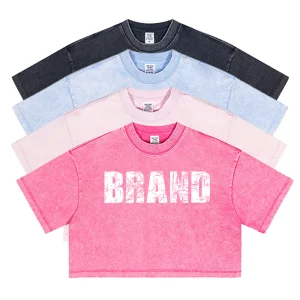
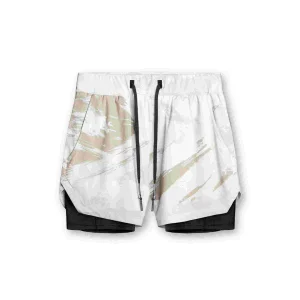
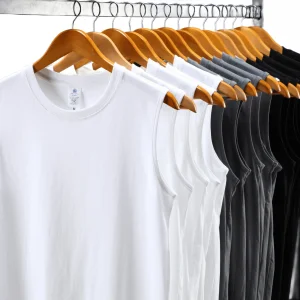
Complete your brand line with our range of high-stretch fitness wear, compression layers, and custom sportswear options.

 CGE Clothing