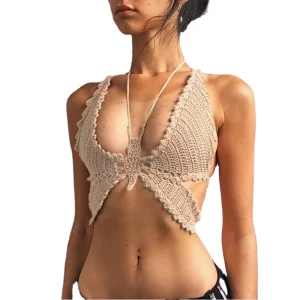
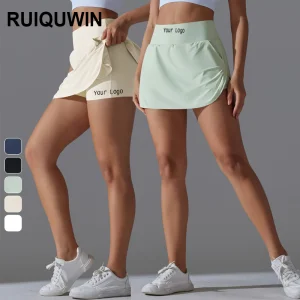
Explore our highly-requested manufacturing solutions engineered for global performance apparel brands.
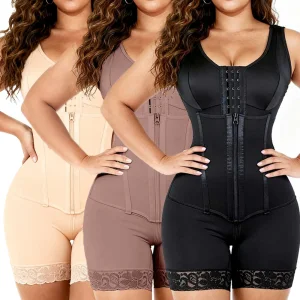
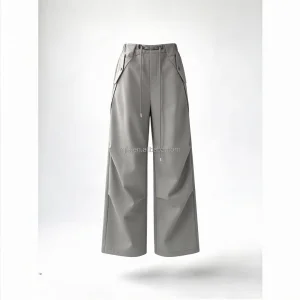
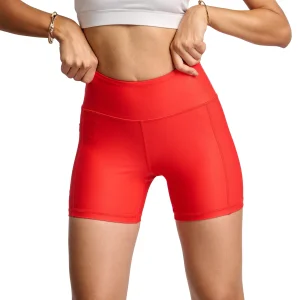
A comprehensive analysis of market demand, advanced textile chemistry, and the macroeconomic factors shaping modern manufacturing.
The global athletic apparel market, particularly the performance yoga pants and leggings segment, has transformed from a niche sporting goods vertical into a dominant lifestyle category. According to recent supply chain data, the global yoga pants market size is projected to surpass USD 45 billion by 2028, registering a compound annual growth rate (CAGR) of over 8.4%. This shift is driven by the convergence of performance-oriented textiles, hybrid work models, and the democratization of functional fashion (commonly referred to as athleisure).
Technically, modern yoga pants are no longer simple cotton-spandex garments. The industry now demands advanced fabric engineering, including four-way stretch technology, moisture management finishes (wicking), antimicrobials, and UV-reflective treatments. Importers must navigate a highly fragmented network of mills, dye houses, and cut-and-sew operations. Success depends on understanding the engineering behind these garments, such as structural knitting techniques (like circular knitting and warp knitting) and the ratio of polymer fibers (Nylon 6,6 vs. Recycled Polyester) that dictate recovery, compression, and opacity.
Understanding structural integrity is critical for activewear buyers. High-performance yoga pants are judged on several core metrics:
Unmatched supply chain integration, state-of-the-art automation, and flexible OEM/ODM capabilities.
While other manufacturing hubs in South Asia and Central America have grown, China remains the undisputed epicenter for high-performance synthetic activewear production. The primary reasons lie in supply chain density, infrastructure, and advanced technology integrations. Regions like Guangdong and Zhejiang boast complete industrial clusters, housing yarn spinners, dye mills, accessory suppliers (zippers, drawstrings, elastic bands), and cut-and-sew factories within a 50-mile radius.
Chinese factories leverage direct partnerships with raw material giants, minimizing lead times for specialized yarns like Supplex nylon, Tactel, and eco-friendly Sorona fibers.
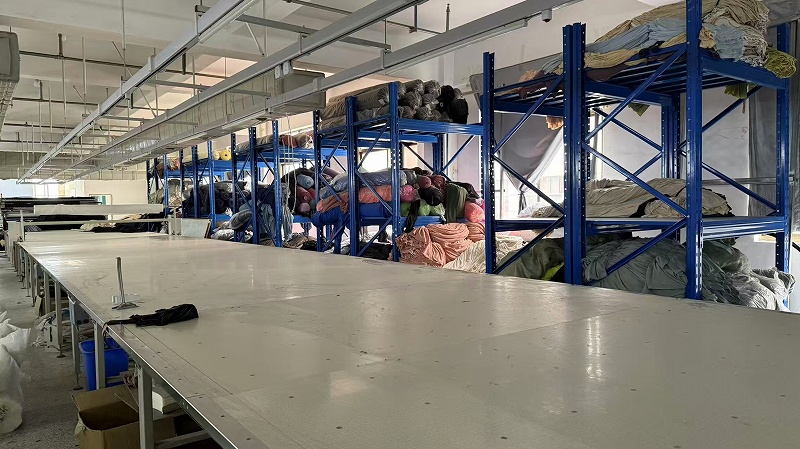
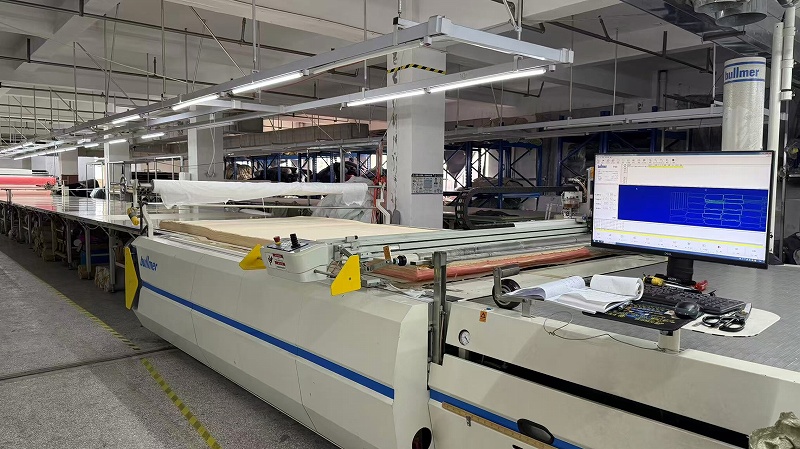
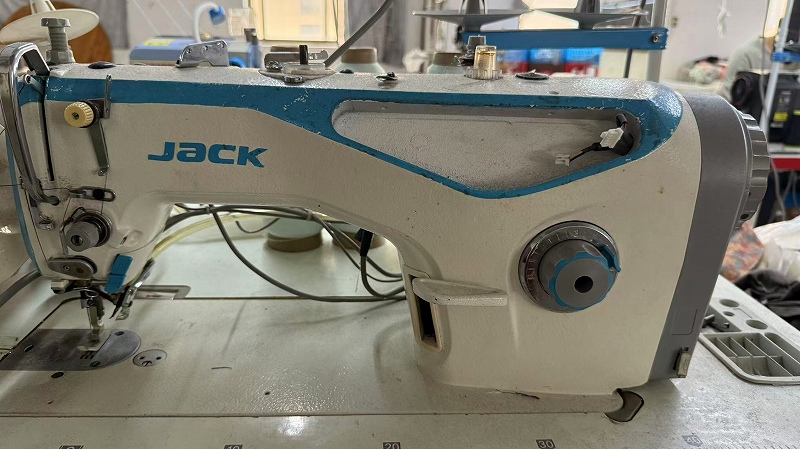
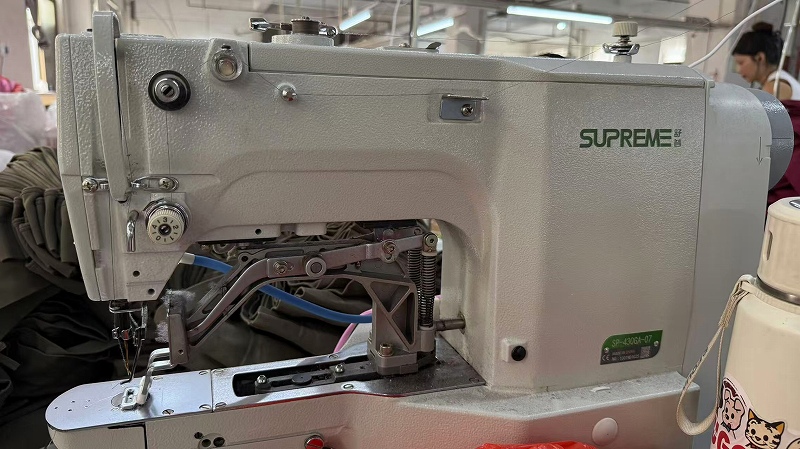
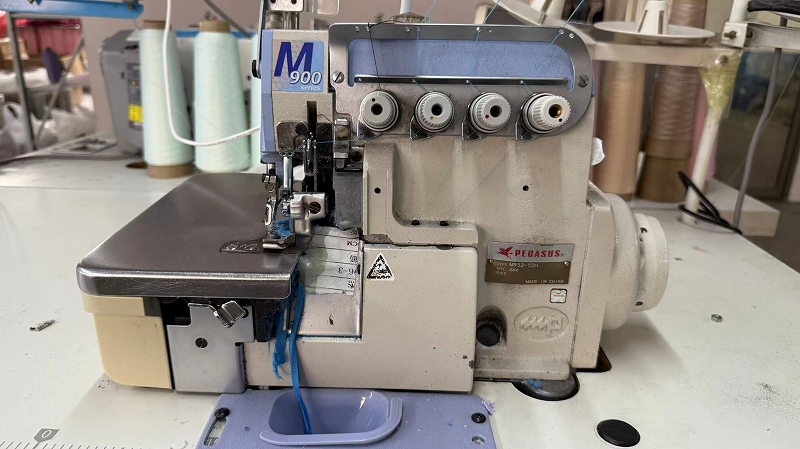
By implementing automated layout pattern cutters, laser fabric cutters, and computer-guided sewing machines, manufacturers reduce labor errors, maximize fabric yields, and maintain consistency.
Modern Chinese exporters prioritize certifications such as GRS (Global Recycled Standard), OEKO-TEX Standard 100, and BSCI/WRAP audits to easily clear global customs and align with brand values.
Additionally, the agility of Chinese manufacturers in handling low MOQ (Minimum Order Quantity) requests with high customization variation makes them the preferred choice for digital-native brands and international retailers alike. Whether executing complex sublimation print processes, silicon heat-transfers, or intricate seamless jacquard patterns, Chinese factories offer an unparalleled balance of cost, quality, and speed-to-market.
A Premier Sportswear and Athleisure Manufacturer Providing Advanced OEM, ODM, and Private Label Solutions.
Guangdong CGE Clothing Co., Ltd. is a professional sportswear and apparel manufacturer specializing in premium OEM, ODM, and private label solutions for brands worldwide. With years of industry experience and a strong manufacturing foundation, we provide high-quality customized apparel that combines innovative design, advanced production technology, and strict quality control.
Our product range covers activewear, yoga wear, gym wear, fitness apparel, running wear, training wear, athleisure, outdoor clothing, and functional sports garments for men, women, and children. From fabric development and pattern making to sampling, bulk production, packaging, and global delivery, we offer comprehensive one-stop manufacturing services that help brands bring their ideas to market efficiently.
At CGE Clothing, we believe that every successful brand deserves a reliable manufacturing partner. By integrating flexible production capabilities, modern equipment, experienced technical teams, and efficient supply chain management, we enable our clients to reduce production complexity, improve product consistency, and accelerate business growth in today's competitive apparel industry.
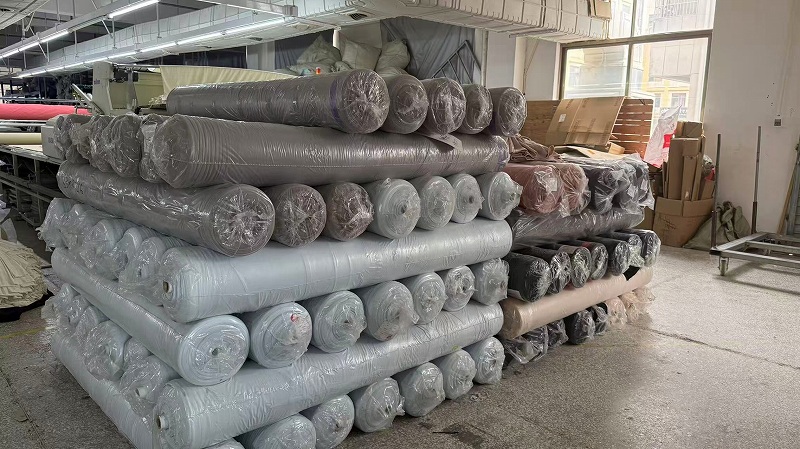
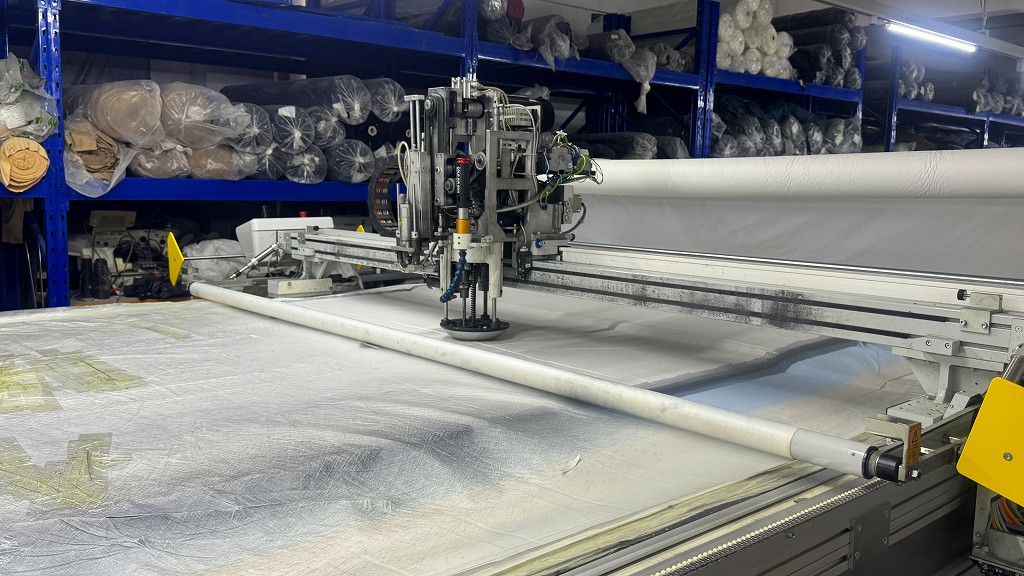
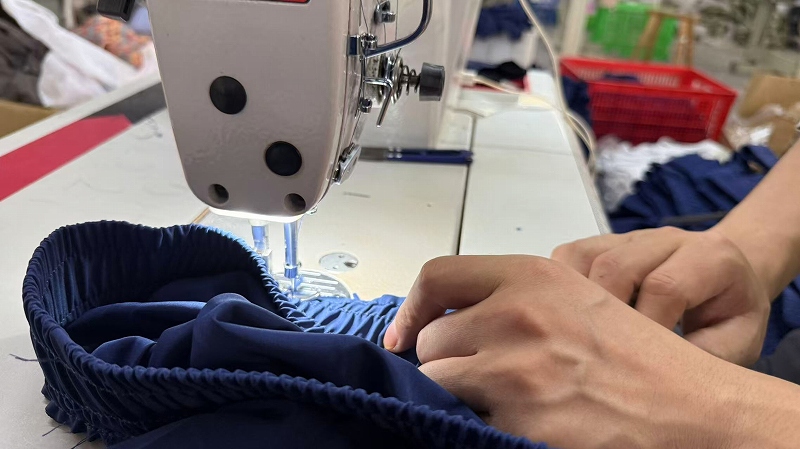
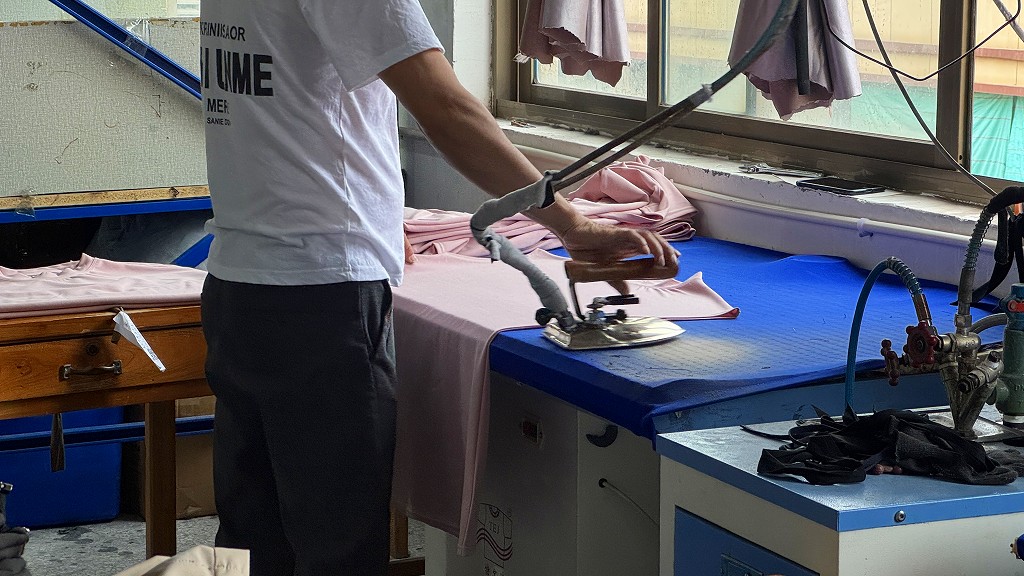
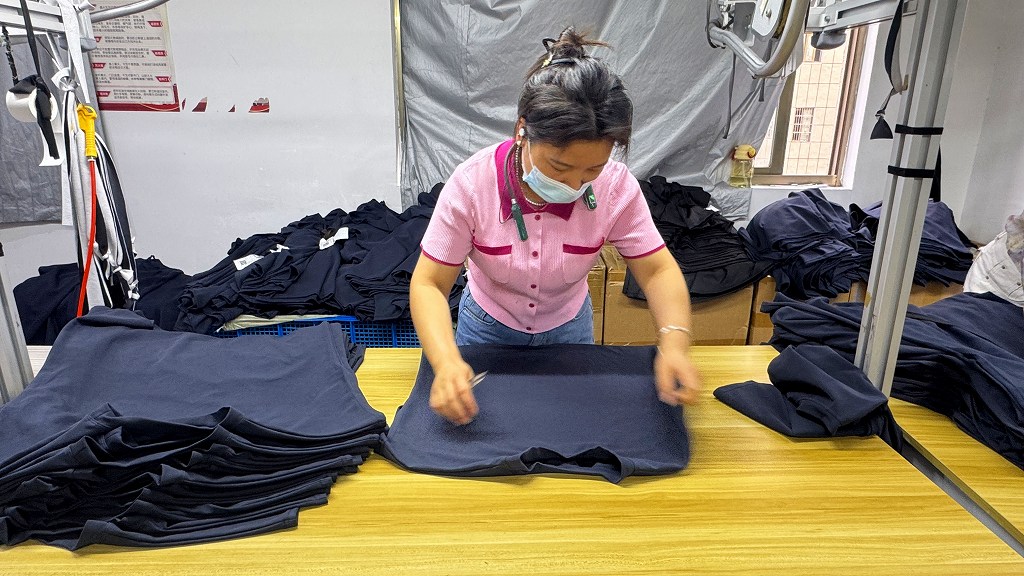
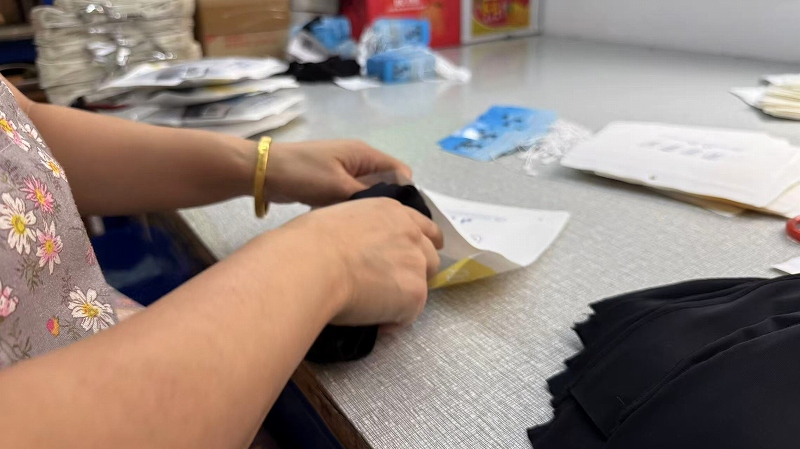
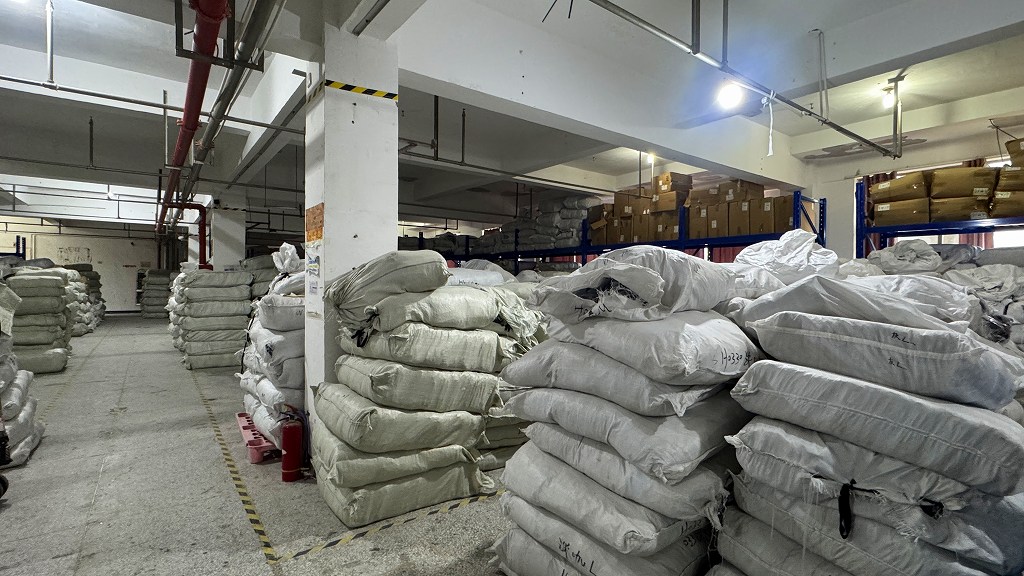
How regional consumer preferences and specific use-cases define structural garment designs.
Understanding consumer demographics is key to commercial success. A generic design will not satisfy the distinct needs of consumers in North America, Europe, and Asia. Smart importers analyze regional metrics before initiating manufacturing:
For high-intensity training, yoga pants must feature maximum compression, reinforced seams (flatlock), and high waistbands with silicone grip lining. Fabric blends require a high percentage of Spandex (usually 20-25%) combined with premium Nylon 6,6 to prevent slippage during compound movement.
Modern consumers demand comfort in professional settings. This scenario requires thick, structural double-knit fabrics (Ponte di Roma or premium Interlock) in matte finishes. Pockets (hidden card holders or seamless side drop-ins) are essential, along with structured waistbands without front center seams.
Targeted medical-grade or post-pregnancy shapewear requires specialized anatomical contouring panels. Fabrics must offer graduated compression, breathable knit matrices, and skin-friendly properties. Double-lined core sections and gentle support zones assist natural recovery.
By mapping design specifications directly to consumer lifestyles, global importers can optimize their SKU plans. This strategic alignment reduces excess inventory and boosts customer retention across e-commerce channels and brick-and-mortar storefronts alike.
A professional evaluation matrix to assess capabilities, verify manufacturer standards, and limit supply chain risk.
When selecting a core manufacturing partner for activewear, buyers must look beyond unit price. A robust exporter validation framework ensures reliability, compliance, and long-term brand protection. Below are the ten pillars of elite yoga apparel factories:
Critical insights for procurement managers, logistics teams, and activewear founders.
Browse additional technical designs optimized for distribution, fitness, and lifestyle brands.
 CGE Clothing