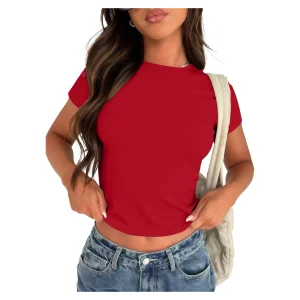
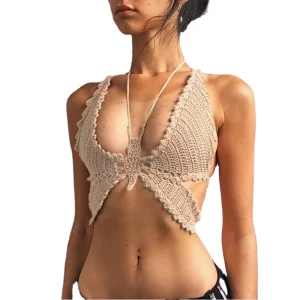
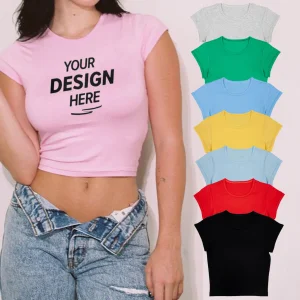
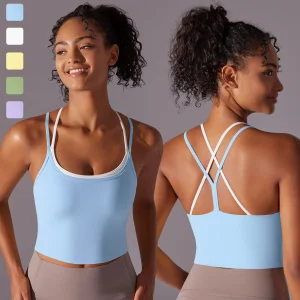
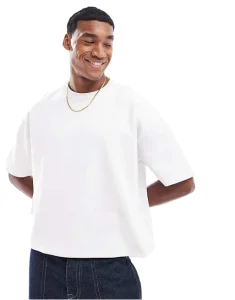
Our top-performing silhouettes tailored for the East African climate, blending high-street aesthetics with high-performance fabrics.
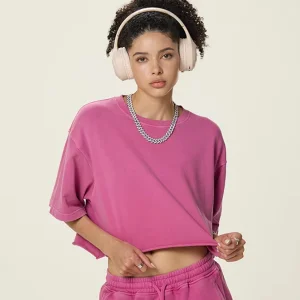
Kenya's retail apparel sector is undergoing a profound structural transformation. In urban hubs like Nairobi, Mombasa, and Kisumu, a burgeoning middle class, alongside rapid youth urbanization, is driving a transition from the traditional "Mitumba" (second-hand clothing imports) market toward structured, brand-driven consumer ecosystems. Crop tops, once considered niche summer wear, have integrated deeply into daily casual wardrobes, athleisure collections, and fitness subcultures.
Kenya acts as the financial and logistical gateway to East Africa. Key local markets, such as Eastleigh in Nairobi and various modern shopping malls (e.g., Two Rivers Mall, The Hub Karen, Westgate), are seeing elevated demand for new, custom-branded apparel. Wholesalers and local boutique brands face a major challenge: finding a reliable supplier capable of balancing modern westernized designs, high-performance structural fabrics, and competitive price-point manufacturing. This is where high-efficiency global supply chains become essential.
Furthermore, local importers are navigating trade updates such as the COMESA regulations and the Kenya Bureau of Standards (KEBS) PVOC certification systems. Having a manufacturing partner like Guangdong CGE Clothing Co., Ltd. that understands export parameters, fabric compliance, and custom labeling requirements reduces regulatory friction, securing faster customs clearance at the Port of Mombasa.
For fashion brands in Kenya, procurement has historically been split between local small-scale tailoring networks (which face raw material constraints and low output scale) and importing low-grade surplus stocks. Modern retailers require a structured, scalable sourcing model. Global activewear and fashion brands rely heavily on China's integrated supply chains because no other hub matches the depth of the Guangdong apparel cluster.
By partnering directly with Guangdong CGE Clothing Co., Ltd., Kenyan brands bypass middlemen, avoiding high markups. This ensures direct factory prices, consistent fabric colors across dye lots, and reliable fabric specs—crucial factors for scaling brands in the competitive East African market.
Our factory combines advanced textile technologies with efficient management systems to serve international apparel brands.
We provide full-spectrum OEM & ODM services. From silicone logo prints to customized woven tags, sizing adjusted for East African profiles, and specific fabric dyeing matching your brand's palette.
Our production line runs on AQL 2.5 standards. Each batch undergoes rigorous fabric testing, wash tests, colorfastness verification, and post-production seam-strength checks before packaging.
Apparel shipping to Kenya requires compressed, moisture-proof carton packing to lower volumetric weight freight charges. We pack using heavy-duty vacuum seal options to maximize shipping efficiency.
Understanding where and how Kenyan consumers wear crop tops allows retailers to curate high-converting product lines.
Urban youth in Nairobi heavily favor heavy-weight cotton baby tees, vintage acid wash crop tops, and oversized cropped designs. Driven by trends on Instagram and TikTok, these items are worn with high-waisted denim and cargo pants, making them highly popular among university students and young professionals.
Wellness communities in estates like Kilimani, Lavington, and Westlands have spurred demand for performance crop tops. Importers target nylon-spandex and polyester-elastane blends with built-in bras, cross-straps, and quick-dry properties suitable for gym and outdoor running.
Mombasa, Diani, and Malindi are primary markets for lightweight, breezy, and boho-style apparel. Crochet crop tops, rib-knit sleeveless tanks, and bright-colored lace camisoles sell exceptionally well in these coastal tourist areas throughout the year.
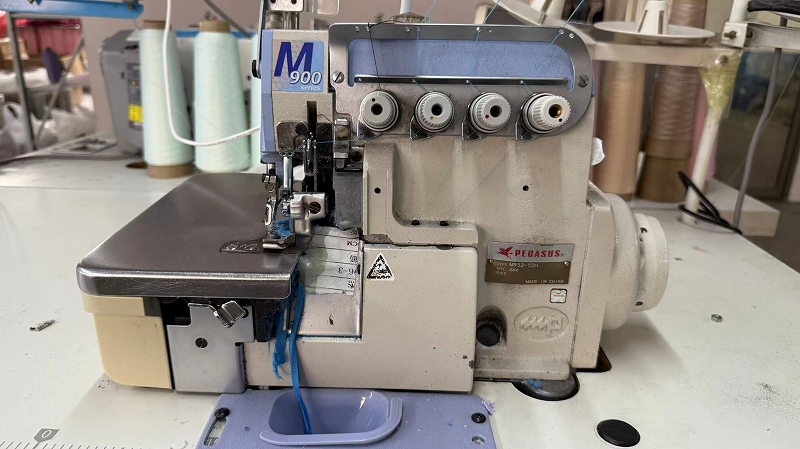
Take a visual tour of our production facility, equipped with automated cutting machinery, precision sewing equipment, and rigorous QC lines.
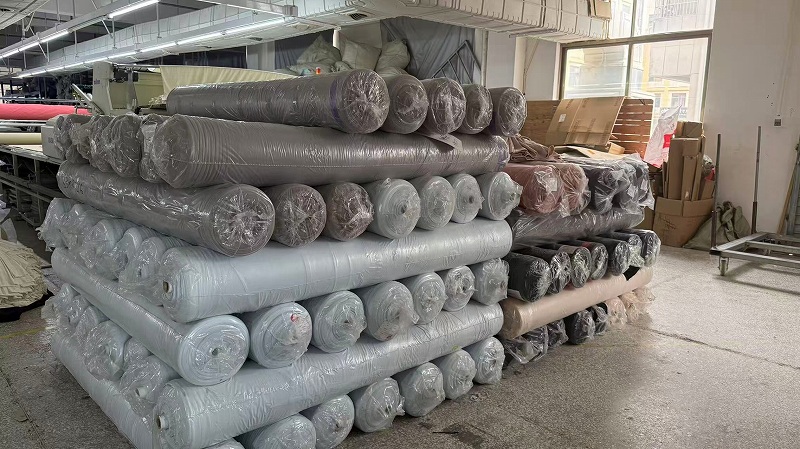
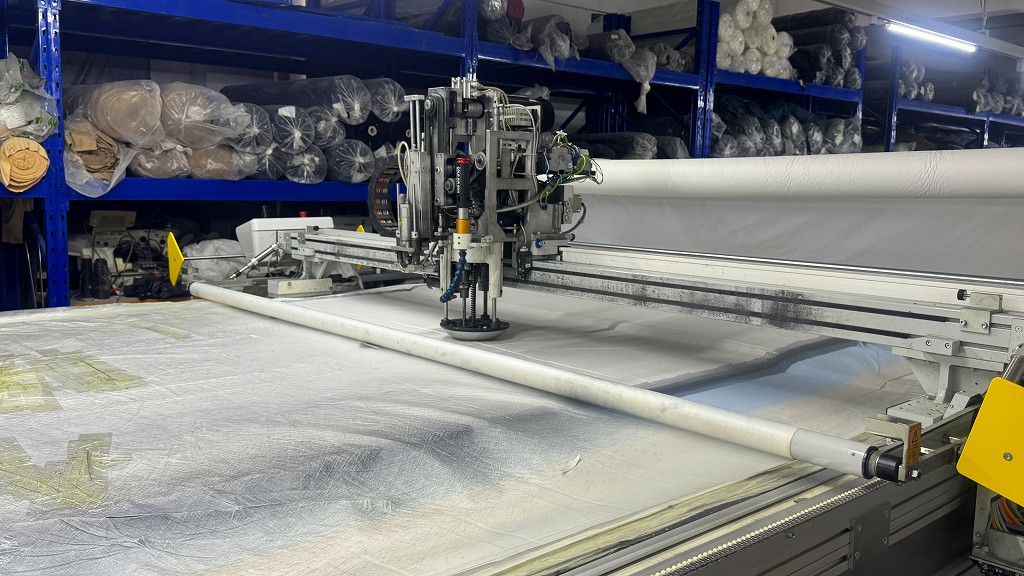
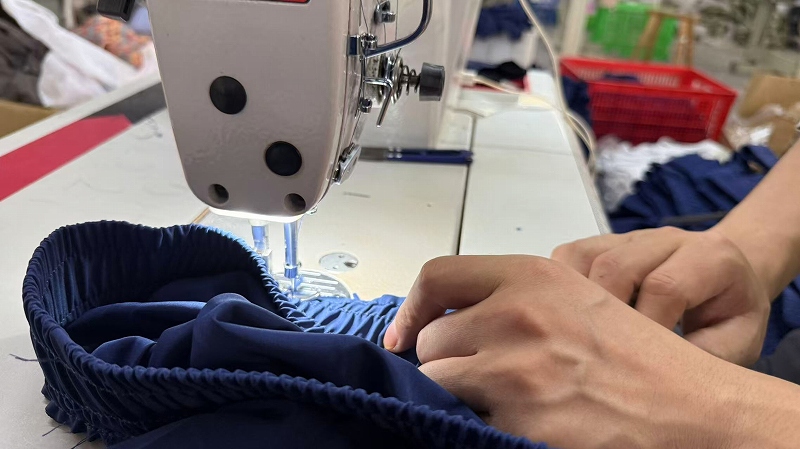
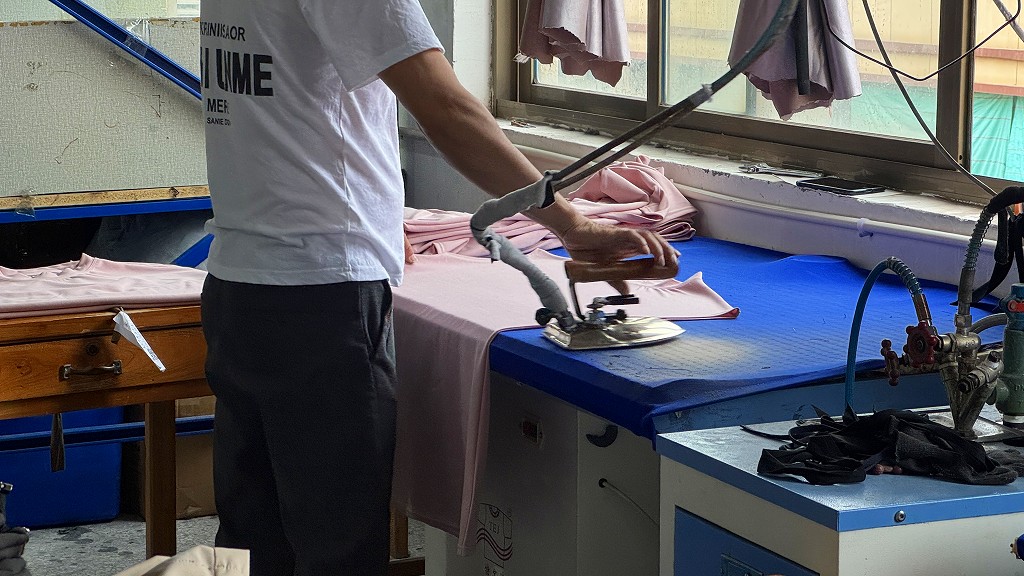
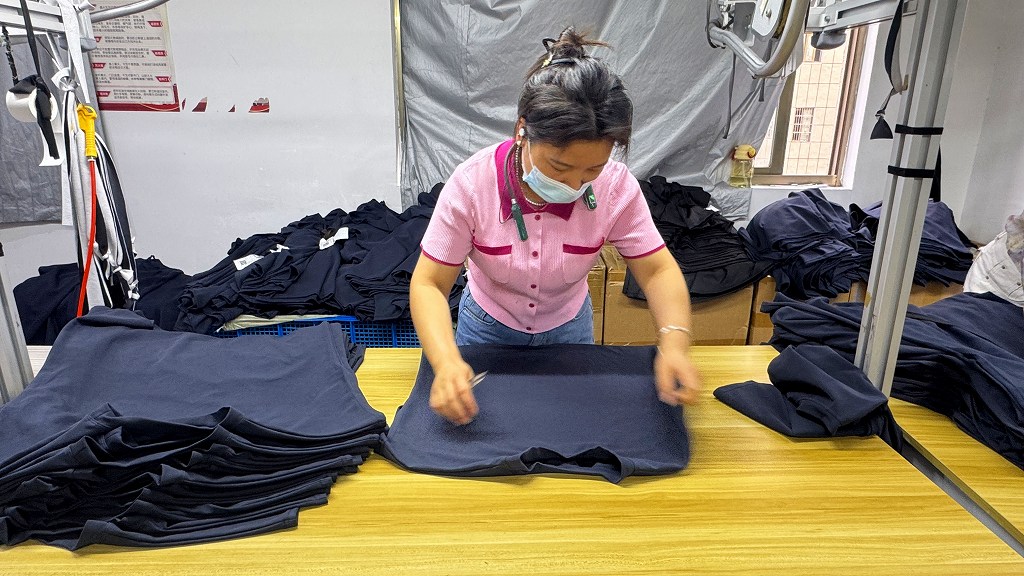
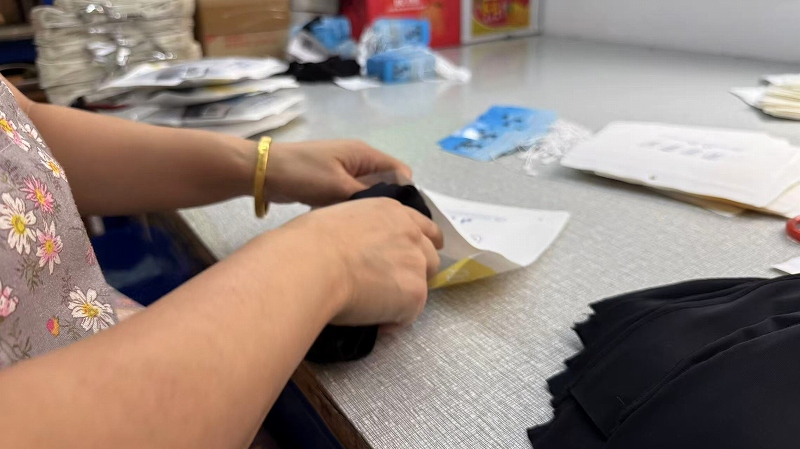
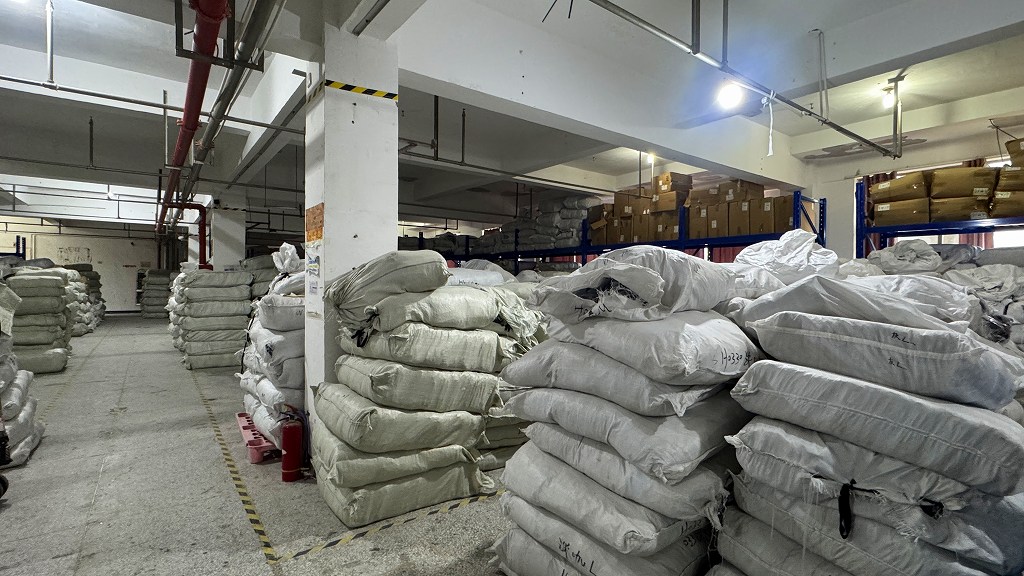
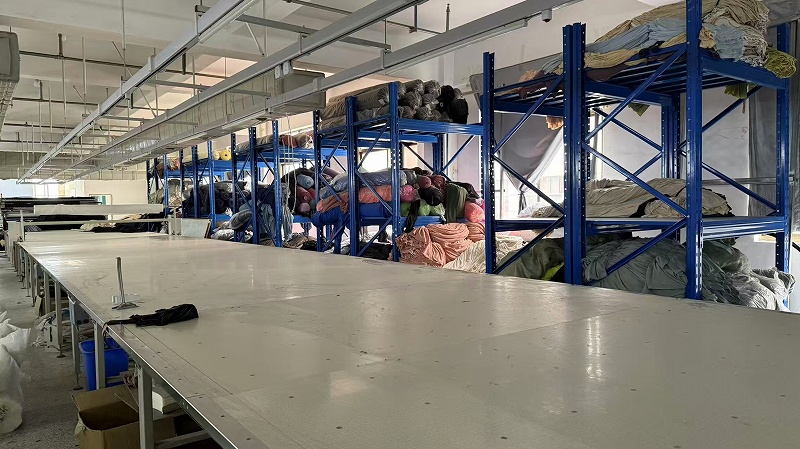
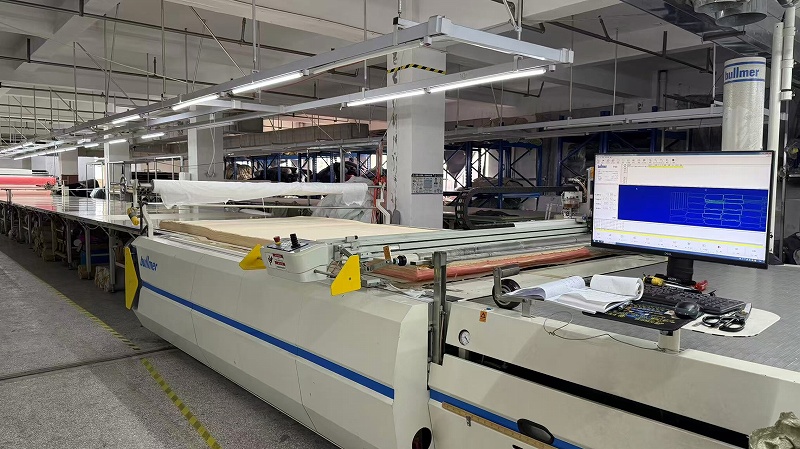
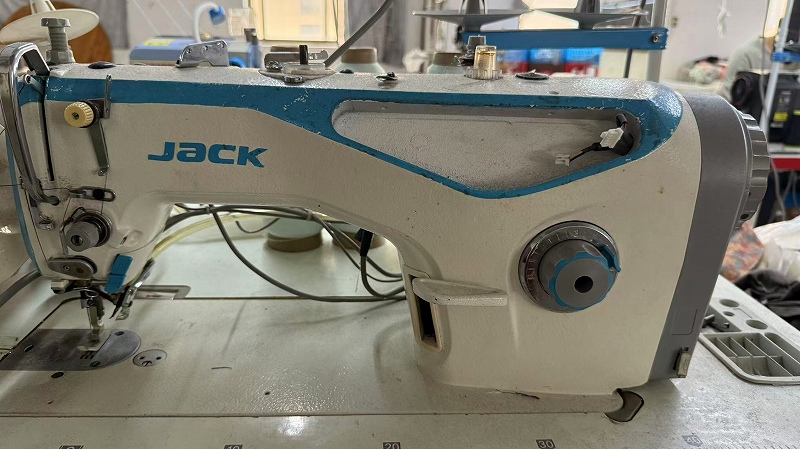
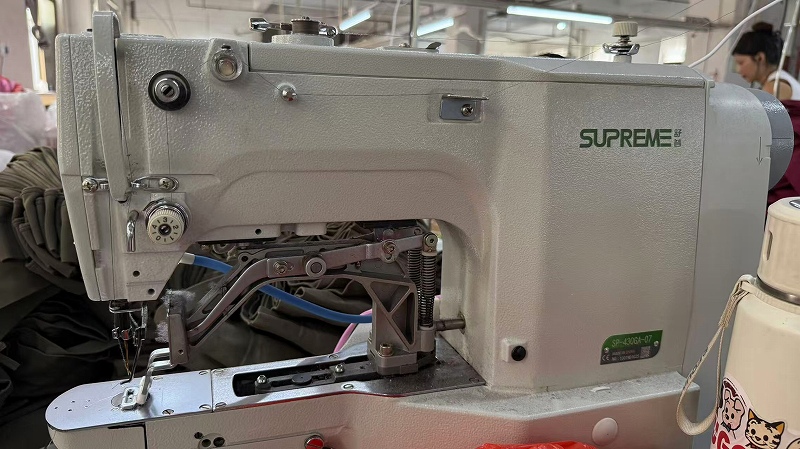
Fully customizable layouts, materials, and sizes. Click on any style to see specifications and request custom manufacturing configurations.
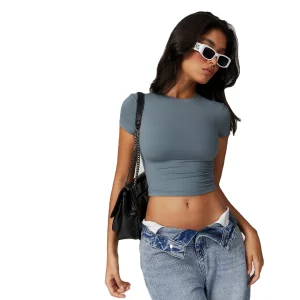
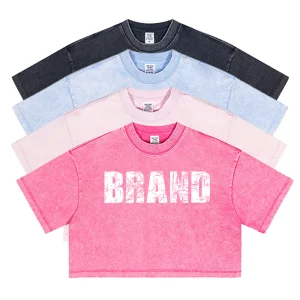
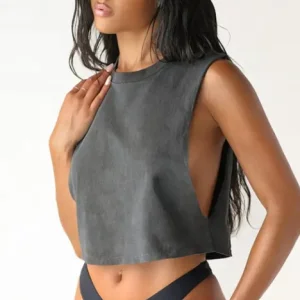
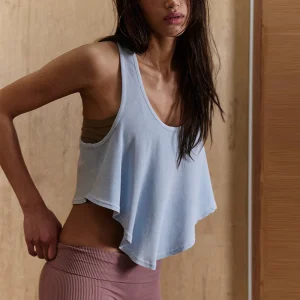
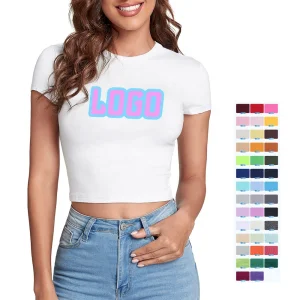
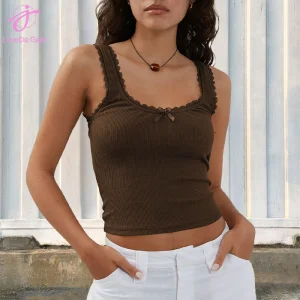
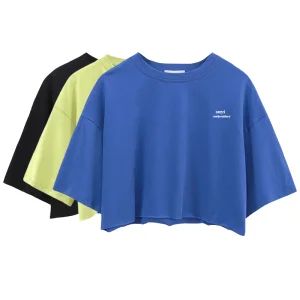
Kenya experiences a bimodal rainfall pattern and overall mild-to-warm temperatures depending on the altitude (warm and humid in Mombasa, moderate in Nairobi). This requires careful selection of fiber blends. Pure cotton (especially 230gsm high-density carded or combed cotton) is highly favored for casual street fashion because of its breathability and natural feel. For activewear, polyester-elastane or nylon-spandex blends are engineered to prevent sweat buildup. At Guangdong CGE Clothing Co., Ltd., we apply wicking finishes to synthetic materials, allowing moisture to evaporate rapidly—ideal for active users in Nairobi's fitness studios.
Importing custom apparel from China to Kenya requires strict adherence to regulatory standards to avoid port delays or penalties. Every batch of garments must comply with the Pre-Export Verification of Conformity (PVoC) program enforced by the Kenya Bureau of Standards (KEBS). We provide all the necessary export documentation, laboratory testing certificates (verifying fiber composition and safety), and commercial invoices required to obtain a Certificate of Conformity (CoC). This documentation allows local customs clearing agents in Mombasa to clear shipments efficiently, helping you avoid demurrage fees.
In fashion, delays can result in lost sales. Traditional sourcing channels often take weeks just to finalize fabric samples. Our factory features a dedicated prototype laboratory that can turn designs into physical samples within 3 to 5 days. Retailers in Kenya can launch small-batch trial orders to gauge market feedback before committing to bulk manufacturing. This dynamic inventory approach minimizes risk and maximizes cash flow for growing boutique brands.
Globally, brands are moving toward transparent, eco-friendly manufacturing processes. Consumers in Kenya's urban areas are increasingly aligning with environmentally conscious fashion. Guangdong CGE Clothing Co., Ltd. offers sustainable materials including organic cotton, recycled polyester (derived from post-consumer PET bottles), and bamboo-derived viscose. Our dyes are eco-certified, ensuring they are free of harmful chemicals. This allows your brand to market its collections as eco-friendly, creating a key differentiator in the local marketplace.
Detailed answers about manufacturing capabilities, shipping logistics, payment options, and customization processes.
 CGE Clothing