Premium-grade fleece solutions custom tailored for regional requirements in Pakistan and major global logistics nodes.
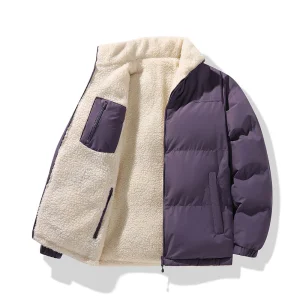
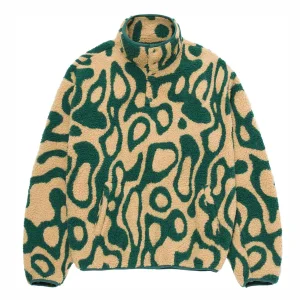
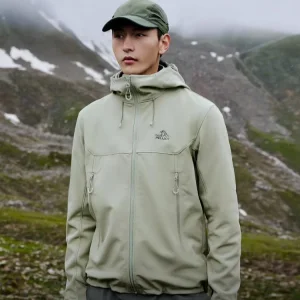
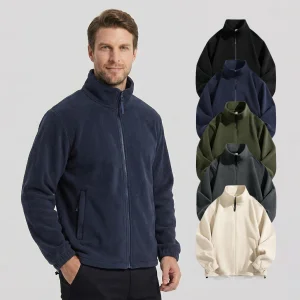
The textile industry of Pakistan acts as the primary economic engine of the state, yielding substantial shares of the national GDP and manufacturing employment. Traditionally celebrated for its agricultural base and robust cotton yarn output (spinning and weaving hubs centered across Karachi, Lahore, and Faisalabad), the local Pakistani market is witnessing a swift, structural paradigm shift towards technical synthetics, particularly polyester fleece and multi-layered softshell jackets.
Historically, the supply chain in Pakistan focused on heavy cotton and knit jersey blends. However, modern global B2B procurement demands high-performance, water-resistant, and high thermal-efficiency synthetic fleece. This shifting landscape requires manufacturers to adopt specialized knitting technologies, such as circular knitting machines tailored for synthetic filament yarns (DTY/FDY polyester), double-sided raising, and advanced shear-shearing processes to prevent pilling.
While local Pakistani mills possess excellent sewing capabilities and enjoy competitive labor markets, they face substantial raw material bottlenecks. Because domestic petrochemical industries do not produce the high-purity polyester chips necessary for ultra-fine micro-polar fleece, Pakistani exporters rely heavily on imported synthetic fibers from China. Consequently, progressive global apparel brands are increasingly turning to optimized hybrid supply chain solutions that combine the raw synthetic fiber and fabric-level excellence of China with targeted distribution hubs.
Technical outerwear performance is determined entirely by fiber structure and mechanical finishing. To secure a competitive advantage in global consumer markets, garment engineers focus on several critical manufacturing variables:
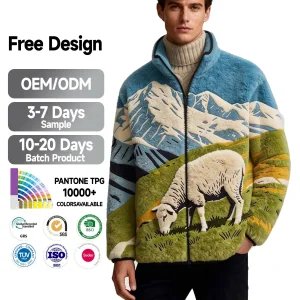
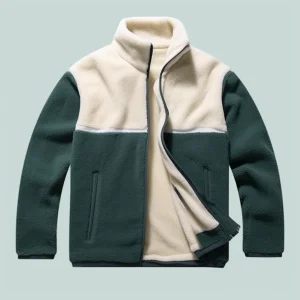
Polar fleece relies on a complex knitting structure using fine polyester yarns (typically 75D/144F or 150D/288F). The mechanical brushing (raising) of these loops creates a dense loft of trapped air, providing thermal insulation. The "F" number indicates filament density: the higher the filament count, the softer the touch, and the lower the chance of skin irritation. High-density Sherpa and Teddy fleece mimic natural sheepskin by utilizing high-pile knit setups, requiring careful thermal-setting processes to retain the pile's texture through commercial washing cycles.
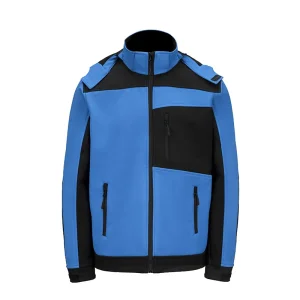
Modern softshell outerwear combines fleece with utility. High-performance lines require a 3-layer system: a DWR (Durable Water Repellent) treated woven face fabric, a breathable TPU membrane (with water column ratings up to 10,000mm and moisture vapor transmission rates of 5,000g/m²/day), and an inner micro-fleece lining. Manufacturers must apply eco-friendly, PFC-free (C0) fluorine-free water repellents to comply with EU and US chemical regulations (REACH/OEKO-TEX Standard 100).
Through careful calibration of chemical coatings and automated hot-melt lamination machinery, manufacturers prevent delamination while keeping the fabric soft and highly breathable.
While regional sourcing within the Pakistan market offers benefits in labor cost structures, global buyers frequently face hurdles concerning consistency, technological capability, and material supply chain security. This is where Guangdong CGE Clothing Co., Ltd. offers an unmatched competitive advantage, serving as an essential Industry 4.0 manufacturing partner for brands globally.
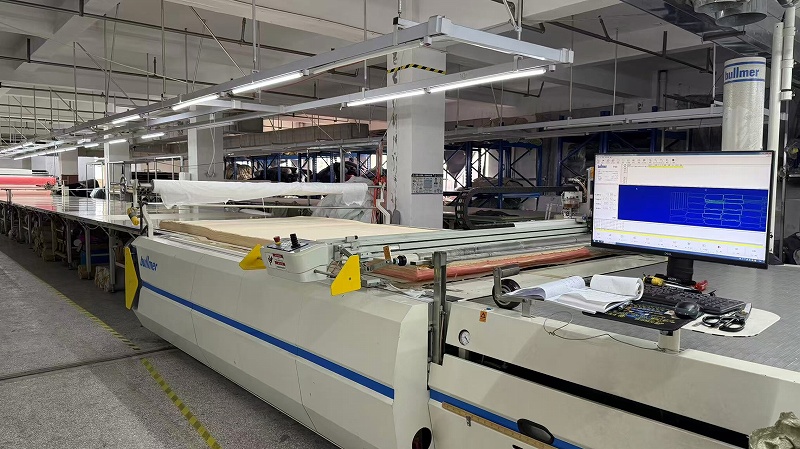
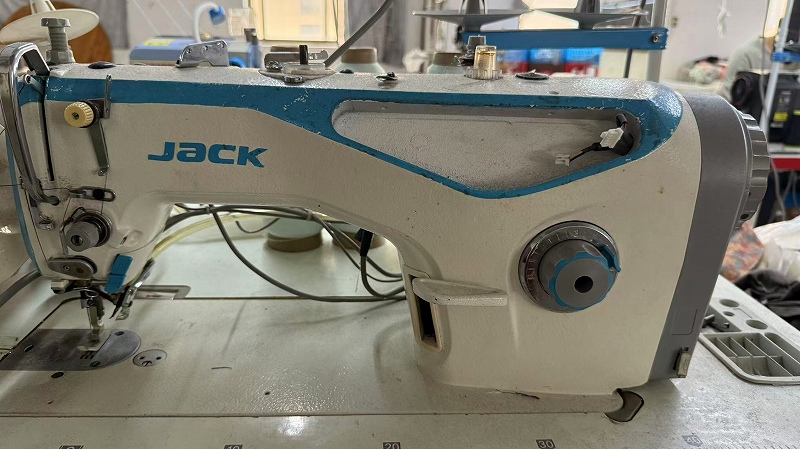
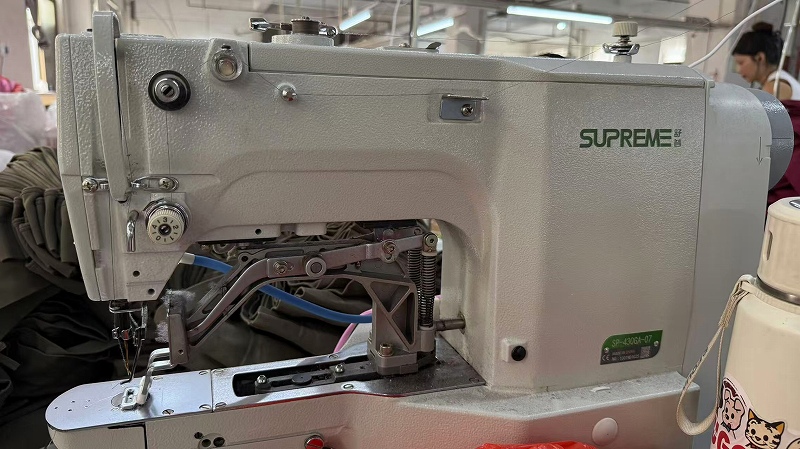
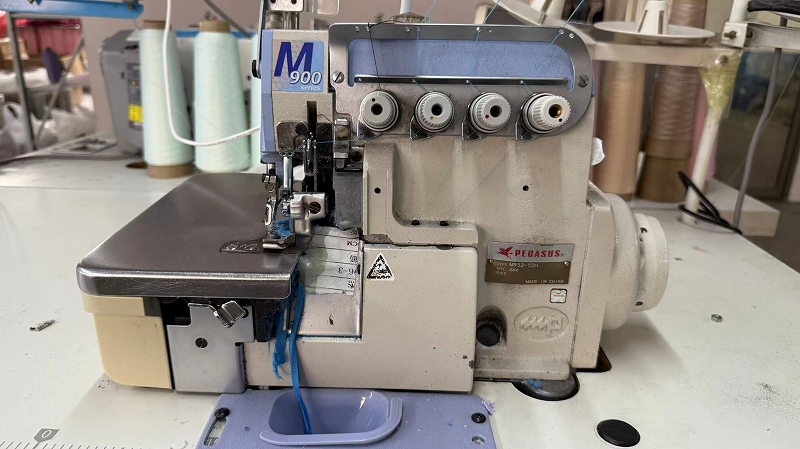
Guangdong CGE Clothing Co., Ltd. is a premier sportswear and apparel manufacturer specializing in premium OEM, ODM, and private label solutions. We provide high-quality customized apparel that combines innovative design, advanced production technology, and strict quality control. Our integrated manufacturing ecosystem offers several distinct advantages over standard regional alternatives:
By partnering with CGE Clothing, brands can easily navigate the complexities of international apparel sourcing. Our one-stop service—spanning fabric development, rapid sampling, and efficient global shipping—enables partners to reduce lead times, optimize costs, and secure consistent, high-quality products.
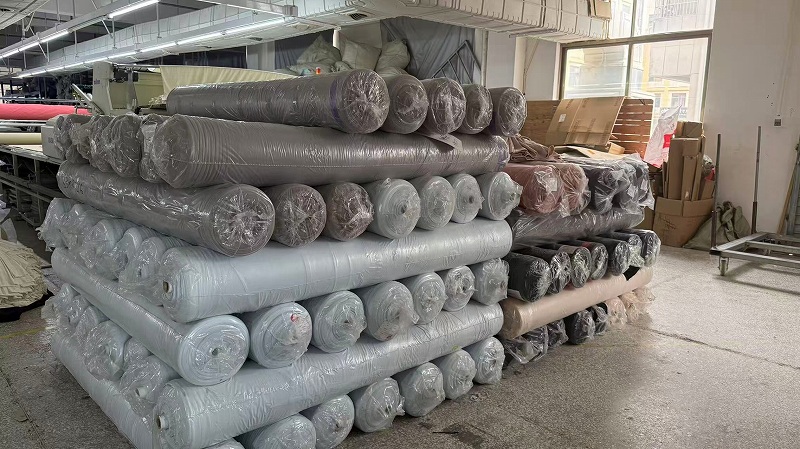
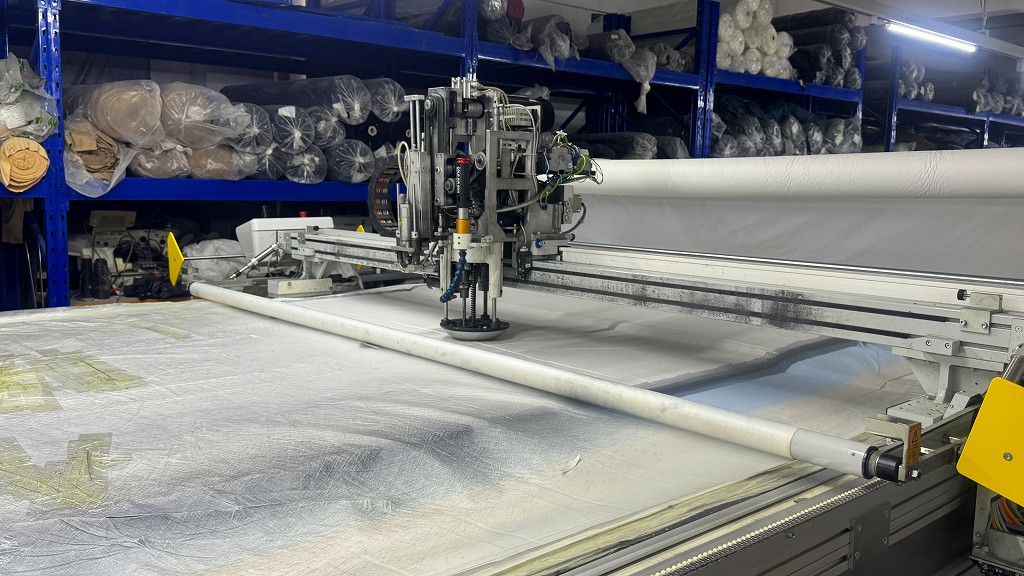
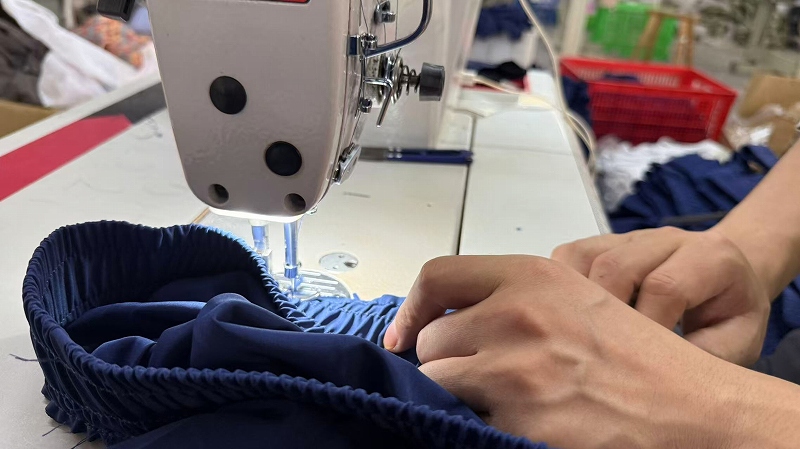
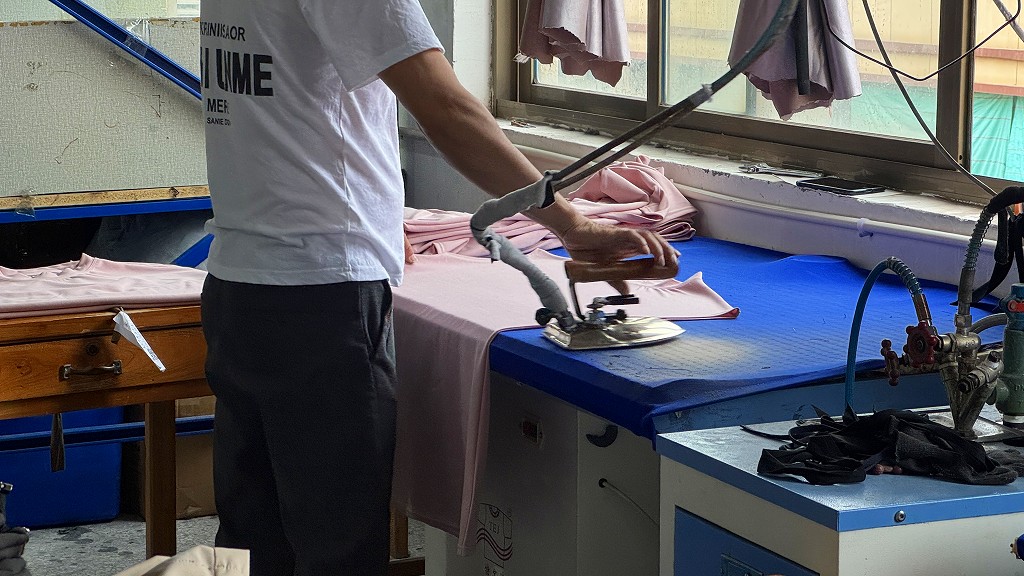
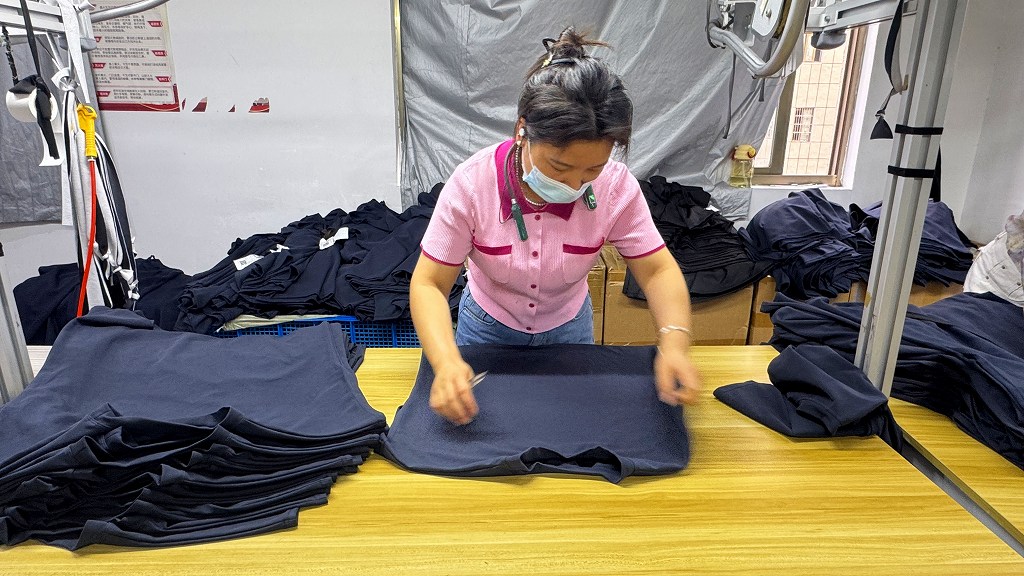
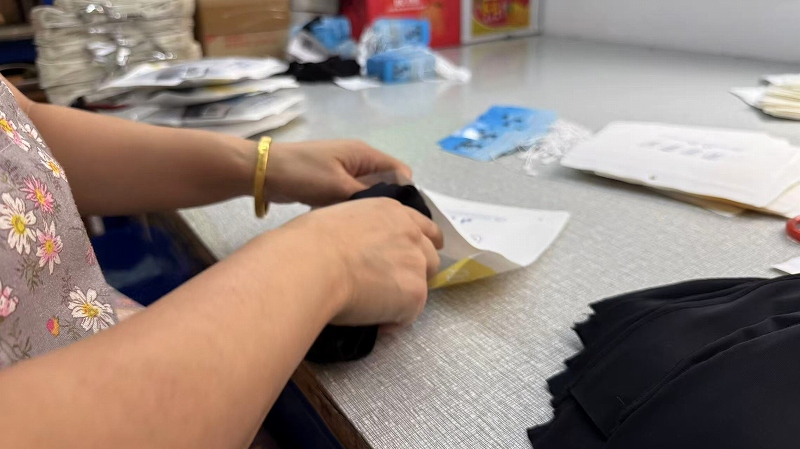
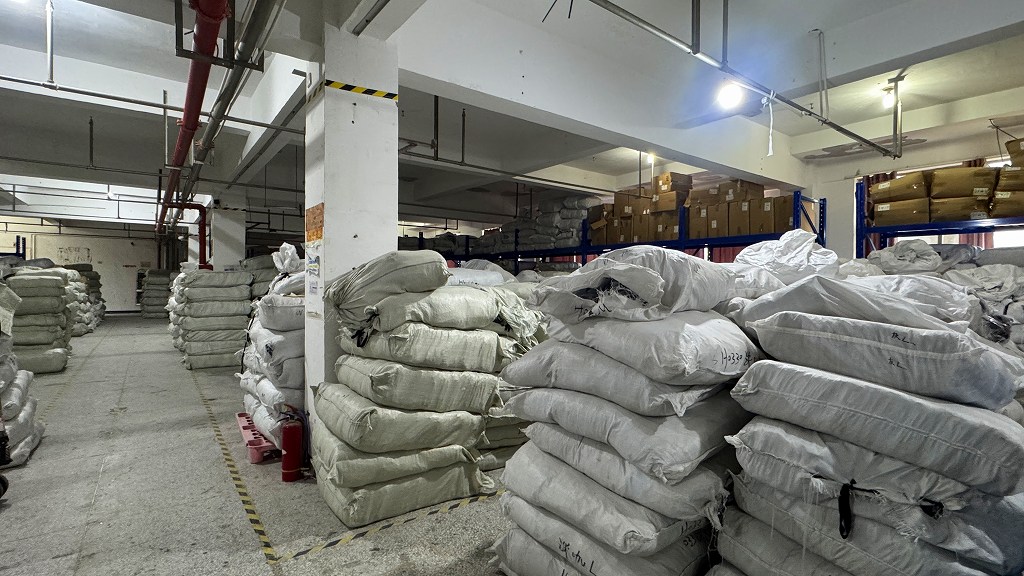
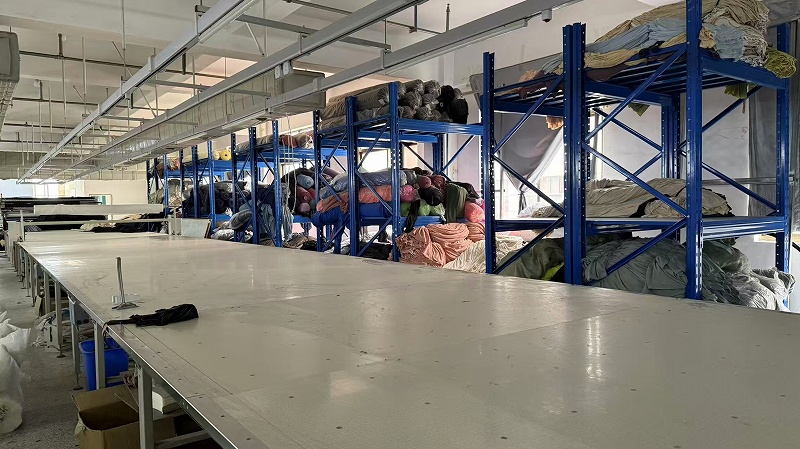
Inside our advanced manufacturing facility: tracking product quality and performance from raw yarn to final packaging.
As international environmental regulations tighten, ESG (Environmental, Social, and Governance) standards have become essential criteria for evaluating apparel manufacturers. Brands targeting major retail markets in Europe, North America, and parts of Asia must ensure their suppliers meet strict social and ecological benchmarks.
CGE Clothing is committed to compliance and ethical manufacturing. We actively maintain recognized standards, including Oeko-Tex Standard 100, GRS (Global Recycled Standard), and social compliance benchmarks like BSCI. Our products are formulated to be free of harmful chemical residues, prioritizing both wearer safety and eco-friendly manufacturing.
On the logistical front, we offer comprehensive transport solutions. Whether shipping via Sea (FCL/LCL), Air Freight, or multimodal channels to destination ports like Karachi, Dubai, Rotterdam, or Long Beach, our teams handle all export documentation and customs clearance. This end-to-end support ensures that high-quality, compliant outerwear is delivered directly to your logistics network without unnecessary delays.
Crucial procurement answers for B2B buyers looking for fleece jackets in Pakistan and global trade.
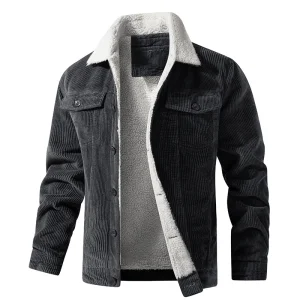
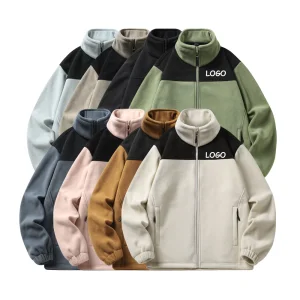
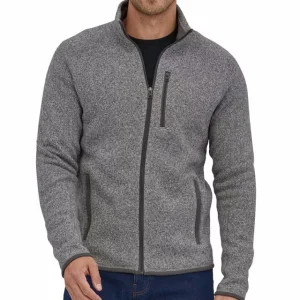
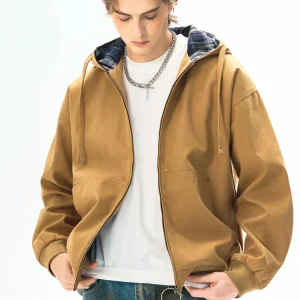
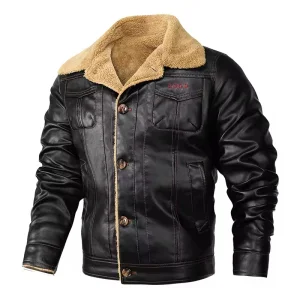
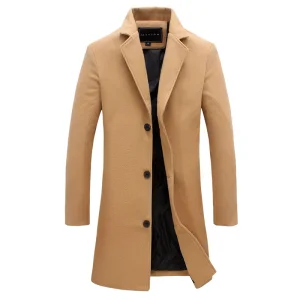
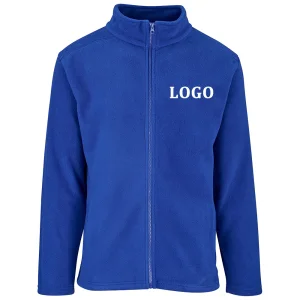
Discover our comprehensive collection of fleece and performance outerwear designed for international B2B clients.

 CGE Clothing