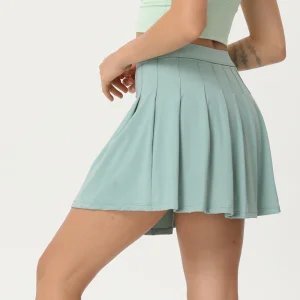
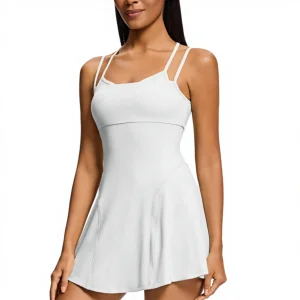
Engineered with performance fabrics for European and global professional markets.
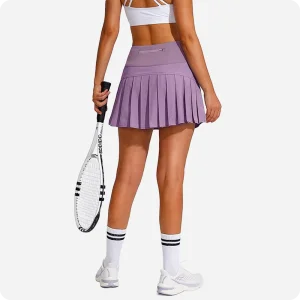
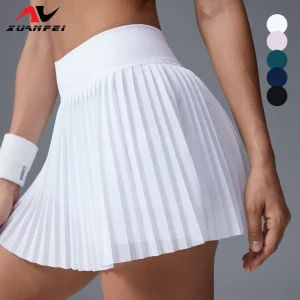
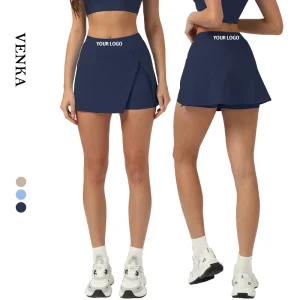
A strategic overview of Europe's top nearshoring hub for technical garments.
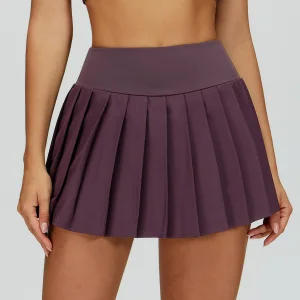
Utilizing state-of-the-art thermal setting machinery to ensure pleats retain shape throughout hundreds of intense wash and wear cycles.
Ready integration of recycled nylon, Econyl, and GOTS-certified organic cotton to appeal to the conscious modern athlete.
Absolute alignment with REACH, BSCI, and GOTS standards, ensuring compliance, safety, and supply chain transparency.
The global sportswear market is undergoing a structural paradigm shift. No longer are athletic garments judged purely on visual aesthetics; high-performance sportswear—specifically women's tennis skirts and golf skorts—now demands a combination of advanced textile engineering, rigorous ecological compliance, and agile supply chain logistics. Portugal, particularly the northern industrial hubs surrounding Porto, Braga, and Guimarães, has risen to become a premier global destination for high-end activewear nearshoring. Here, centuries-old apparel-making traditions merge with modern automated design and technical fabric innovation.
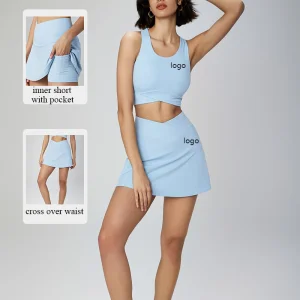
Portugal's textile and clothing (T&C) sector represents roughly 10% of the nation's total exports. What sets Portuguese manufacturing apart is its extreme specialization in functional, high-stretch knitwear. In the context of tennis skirts, this involves complex multi-layer designs: lightweight, breathable, pleated outer shells paired with high-compression, moisture-wicking inner lining shorts featuring integrated utility pockets.
Portuguese factories excel in flatlock stitching (reducing chafe for high-mobility athletes) and high-gauge knitting. By locating production in the Norte region, global brands tap into a vertically integrated ecosystem where fabric spinners, dye houses, printing shops, and cut-and-sew workshops operate within a 50-kilometer radius. This proximity reduces transit times, minimizes carbon footprints, and allows rapid iteration of samples.
For global fashion brands and sportswear startups, procurement is a balancing act between speed-to-market and manufacturing scale. While Portuguese factories offer unparalleled benefits for European domestic distribution—including duty-free status under EU agreements and transport times under 48 hours by road—smart brands utilize a hybrid or dual-sourcing model. This is where Guangdong CGE Clothing Co., Ltd. steps in as an indispensable global manufacturing partner.
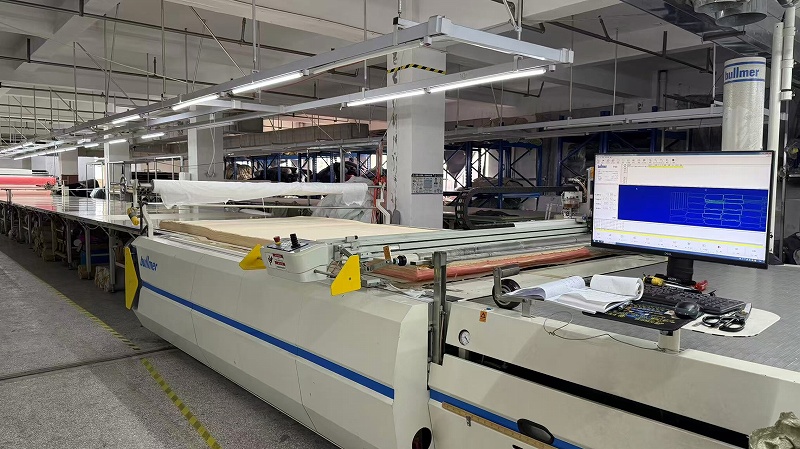
By blending the localized premium design insights typical of Portuguese nearshoring with the massive production capacity, advanced automated cutting systems, and highly competitive raw material sourcing of Guangdong's technical zones, CGE Clothing provides an optimized alternative. This ensures that whether a brand needs agile, low-MOQ test batches for European markets or massive, cost-optimized production runs for worldwide retail networks, the technical specs and garment quality remain flawlessly aligned.
A premium tennis skirt must perform under intense physical strain while maintaining structural elegance. The technical requirements include:
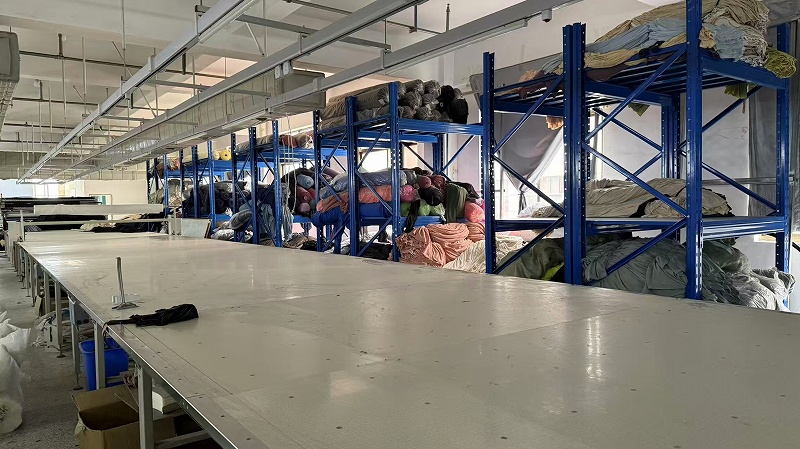
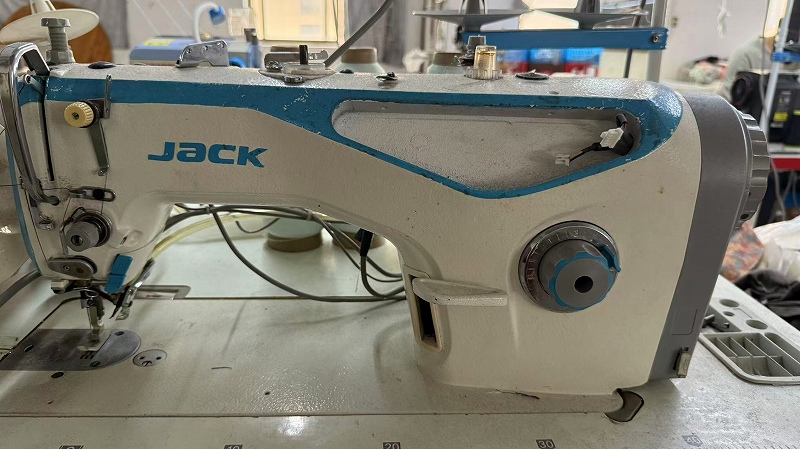
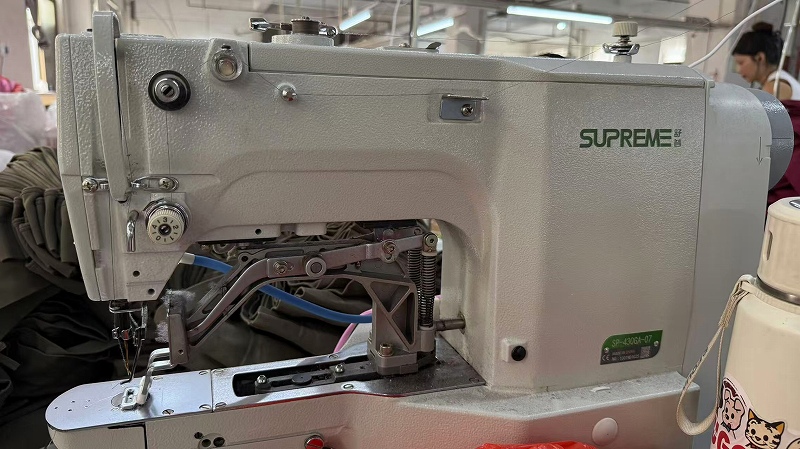
To deliver these rigorous requirements, factories must invest in advanced hardware. From CAD pattern nesting systems that reduce material waste to automated computerized cutting tables, precision is mandatory. Special attention is given to reinforcement techniques like bartacking at pocket stress points and multi-needle overlock stitching to handle high-stretch stress joints.
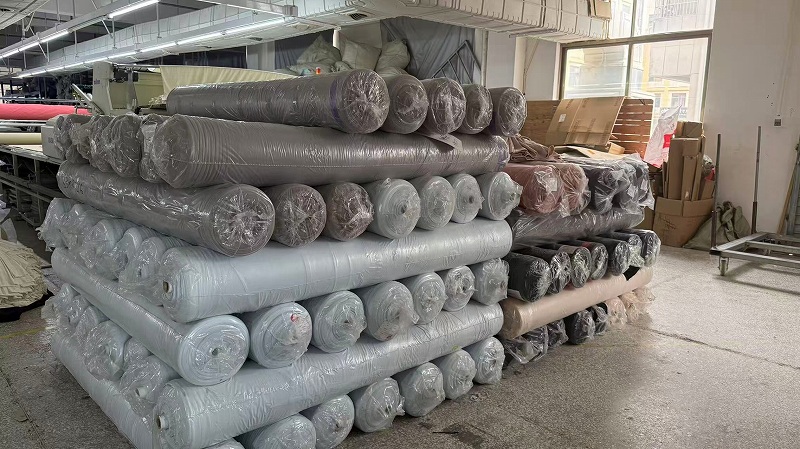
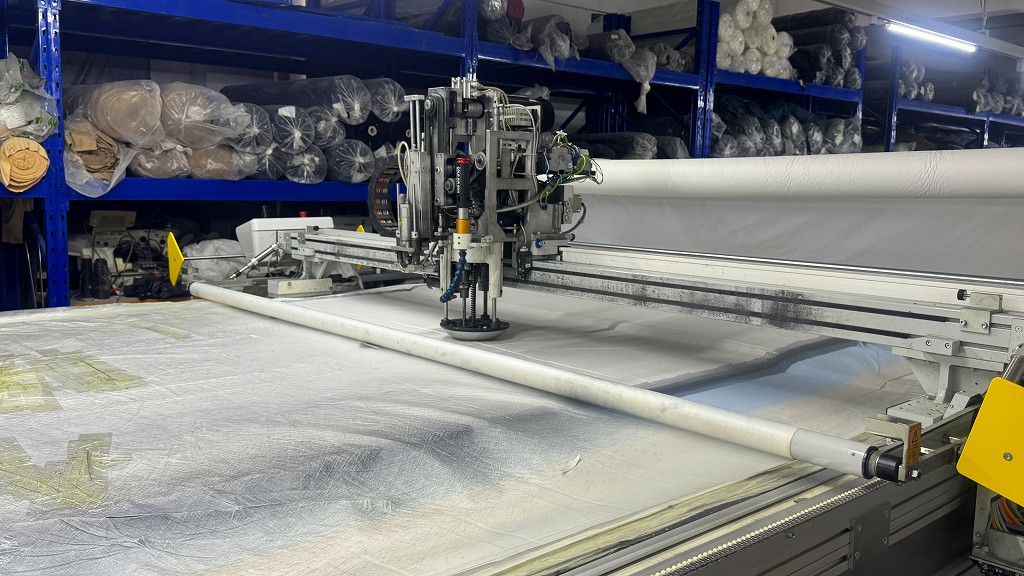
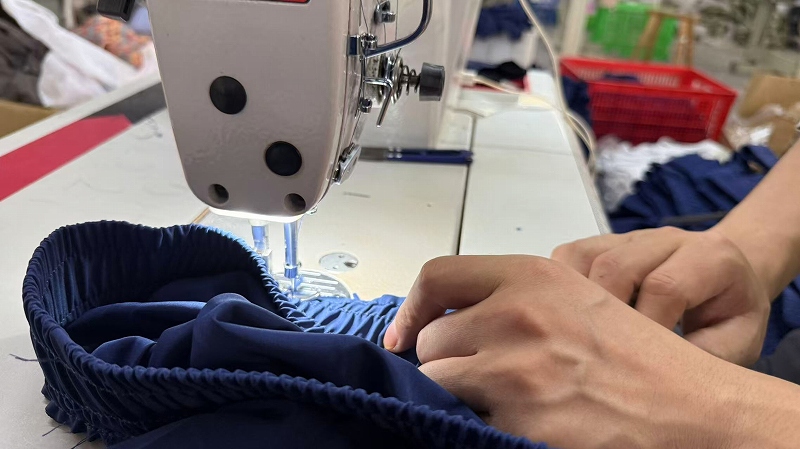
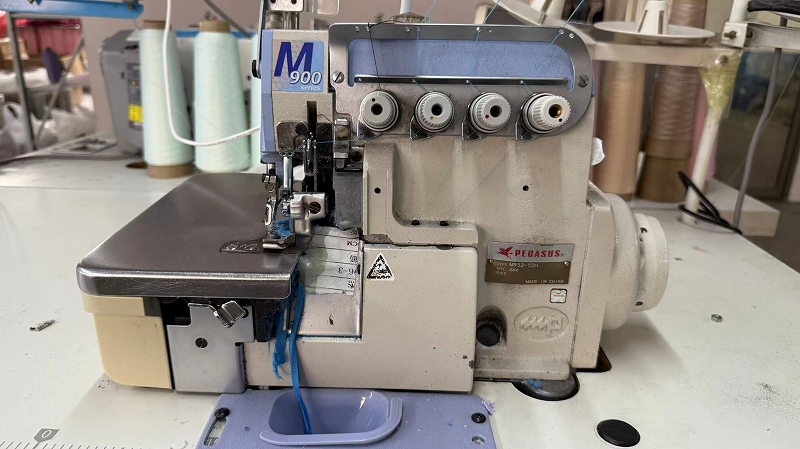
Your Strategic Global Sportswear & Activewear Manufacturing Partner
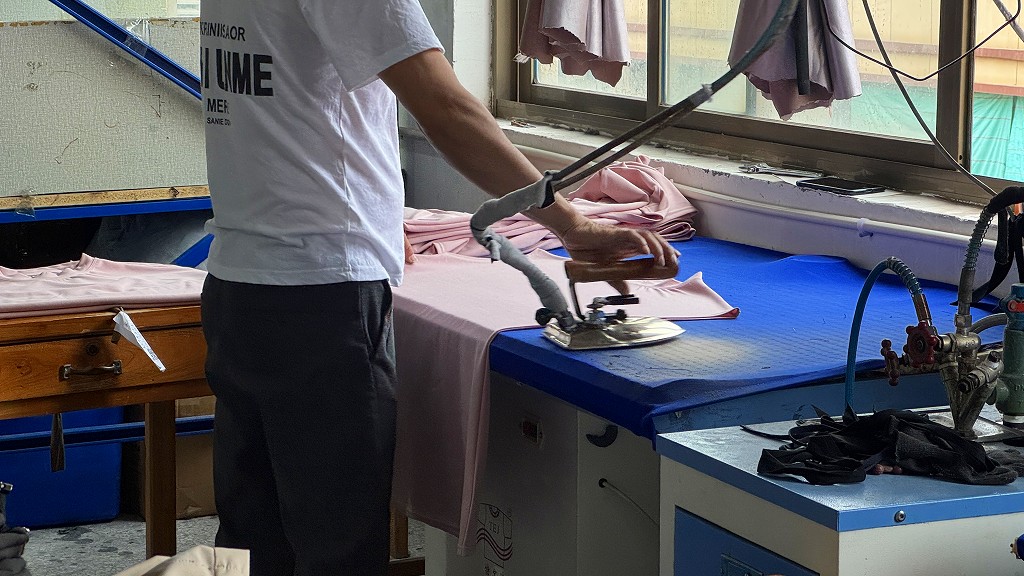
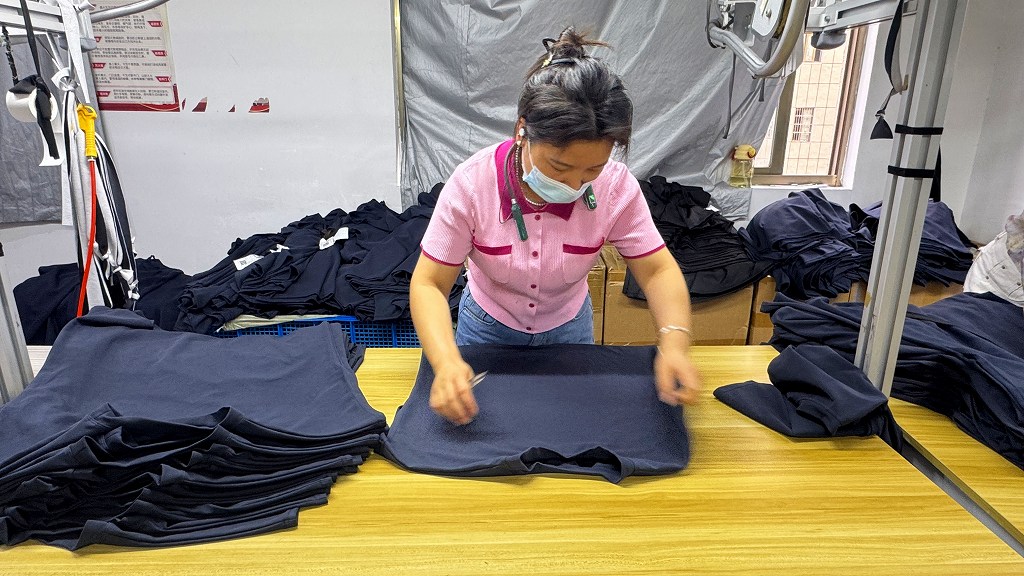
Guangdong CGE Clothing Co., Ltd. is a leading professional sportswear manufacturer, specializing in high-end OEM, ODM, and private label solutions for activewear brands worldwide. Our core operational philosophy is built upon providing high-performance, functionally durable apparel that seamlessly integrates cutting-edge fabric development, strict multi-stage quality control, and optimized supply-chain efficiency.
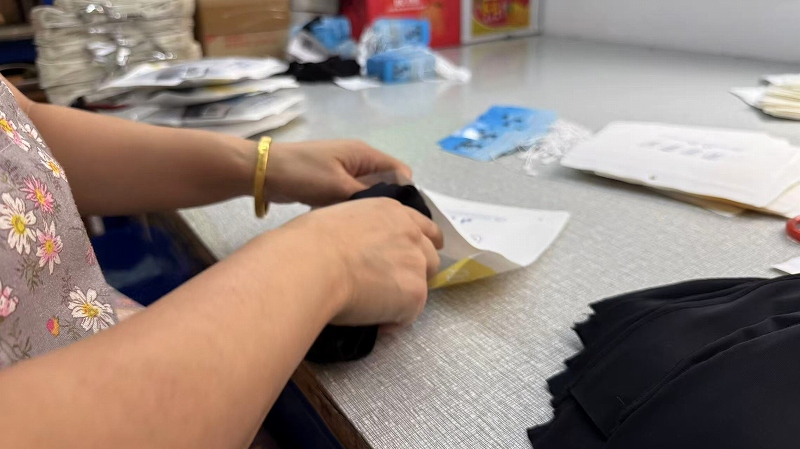
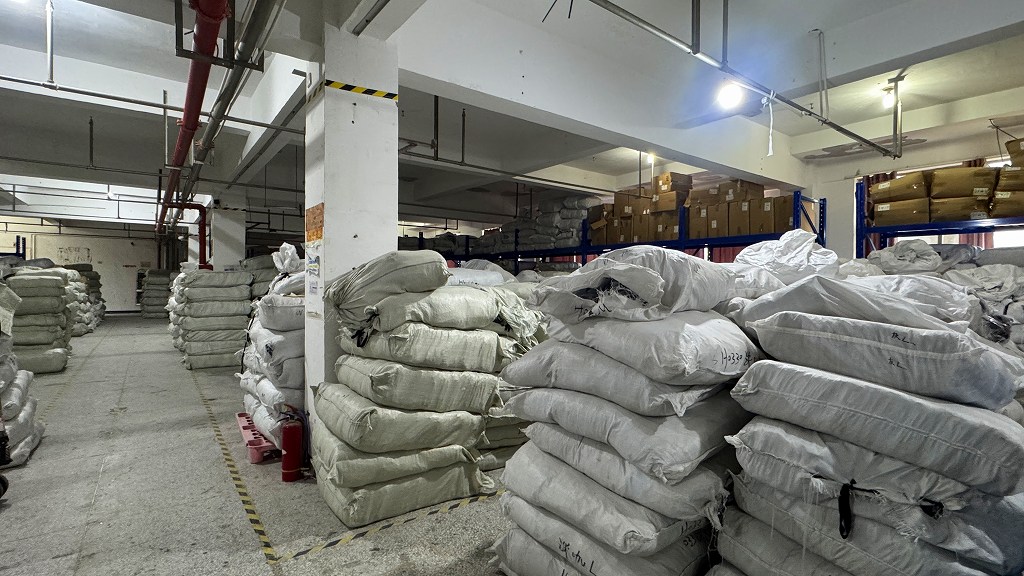
Our expansive product catalog features activewear, yoga wear, gym wear, fitness apparel, running wear, training wear, athleisure, outdoor clothing, and functional sports garments designed for men, women, and children. We manage the entire lifecycle of garment creation—from initial fabric analysis and technical CAD pattern-making to sample prototyping, raw material sourcing, bulk manufacturing, custom tagging, packaging, and coordinated global maritime or air logistics.
We work hand-in-hand with emerging digital native brands, mid-tier distributors, and global retail chains. By providing access to high-efficiency technical machinery, skilled sewing artisans, and highly flexible manufacturing capacities (FMC), we assist our clients in decreasing their product development overheads, avoiding overstock risks, and scaling their inventory in line with real-time market demands.
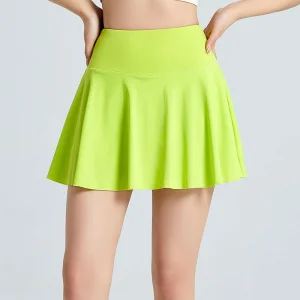
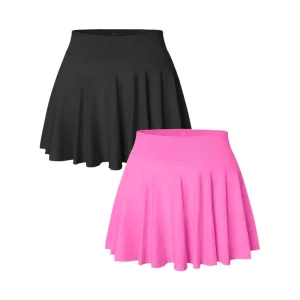
Explore our full catalog of customizable high-performance athletic skirts and skorts.
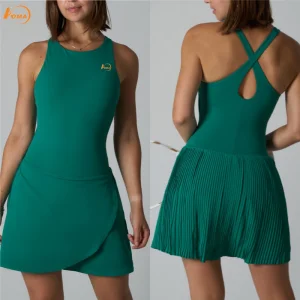
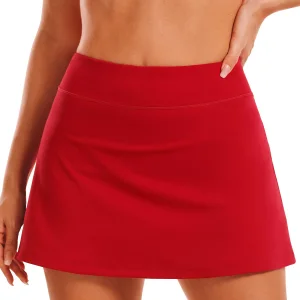
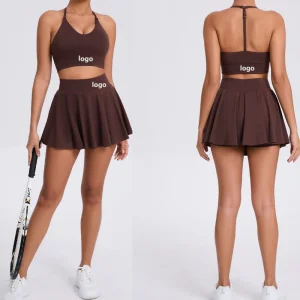
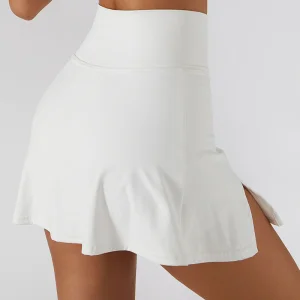
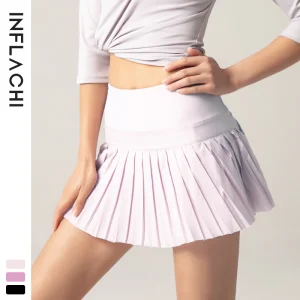
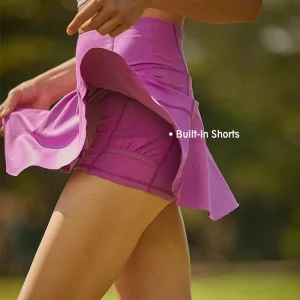
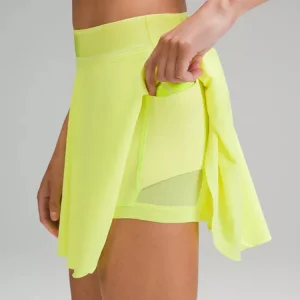
Critical procurement intelligence for activewear global sourcing directors.
Portugal offers a highly integrated, premium-tier textile cluster located primarily in its northern region. Brands gain access to high-performance warp-knit and weft-knit fabrics, specialized pleating technology, and strict compliance with EU labor and environmental standards. Furthermore, nearshoring to Europe significantly cuts shipping times down to 1-3 days by truck to Central Europe, dramatically reducing warehouse costs and carbon footprints.
For custom dyed fabrics and unique custom designs, MOQs in Portugal generally run between 500 to 1,000 pieces per style/color. However, utilizing a global hybrid supply chain partner like Guangdong CGE Clothing can allow more flexible initial sampling runs, starting at 100-300 pieces per color by utilizing raw material pools and standardized performance fabrics.
Pleat durability depends on thermostatic settings. Factories use specialized industrial autoclaves to expose the 100% polyester fabric to high-temperature steam under pressure. This crystalline structure change locks the synthetic fibers into the pleated shape permanently. Professional manufacturers do not recommend cotton or weak nylon blends for sharp pleating, as they will degrade after a few wash cycles.
Yes. Portuguese textile manufacturers are legally obligated to operate in compliance with REACH (Registration, Evaluation, Authorisation and Restriction of Chemicals) regulations. Furthermore, most premium factories carry certifications such as OEKO-TEX Standard 100 and GOTS (Global Organic Textile Standard) for organic yarn processing, ensuring the garments are completely safe for close-to-skin contact during athletics.
Portuguese production carries higher labor overheads, making the Unit FOB cost roughly 25% to 50% higher than production in specialized industrial clusters in Guangdong. However, when factoring in import duties, rapid replenishment cycles, reduced shipping times, and the premium "Made in Europe" branding label, the Total Cost of Ownership (TCO) often balances out, making dual-sourcing (ordering core runs from China and high-demand quick-turn fashion runs from Portugal) highly effective.
Professional skorts must include built-in safety compression shorts with a minimum of 15% elastane. Additional standard specifications include upside-down ball pockets (typically on the left thigh of the inner short), phone pockets, a wide, non-roll elastic waistband, flatlock flat-seaming, and a gusseted crotch design to prevent riding up during lateral movements on court.
 CGE Clothing